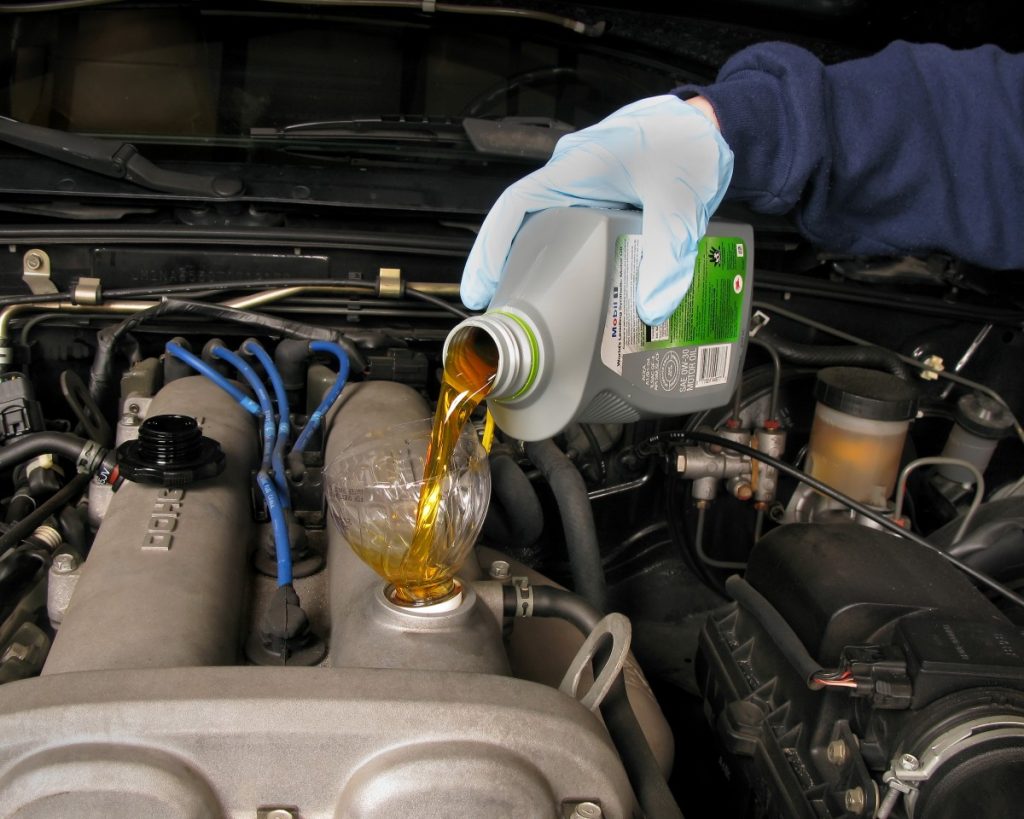

Many drivers overlook a critical part of engine upkeep: the oil filter. This small component is vital for a clean, smoothly running engine. Ignoring it can lead to a cascade of expensive repairs and poor performance. Let’s see why maintaining your oil filter is essential and how neglect causes serious problems.
The Vital Role of the Oil Filter in Engine Health
Your engine’s oil filter is designed to capture dirt, debris, and any contaminants lurking within the motor oil. Unfiltered oil can cause serious wear to engine components over time. Without effective filtration, particles circulate freely, accelerating engine damage.
Think of the oil filter as a guardian, maintaining the purity of the oil that lubricates your engine’s moving parts. Regular replacement of this component ensures the oil remains clean, which directly supports engine efficiency and longevity. For detailed guidance, you can learn how often to change your engine oil to complement oil filter maintenance effectively.
What Happens When You Skip Oil Filter Changes?
Neglecting the oil filter leads to clogged filters that restrict oil flow. This causes the engine to run hotter and parts to rub without enough lubrication, leading to increased wear and eventual failure. Furthermore, dirty oil reduces fuel efficiency and performance, forcing the engine to work harder and consume more fuel.
If you want to keep your oil filter in top shape, you might find a handy tutorial on how to change an oil filter in three easy steps quite valuable.
How Poor Oil Filter Maintenance Hinders Performance and Safety
Safe driving requires a well-functioning engine, and the oil filter plays a silent but significant part in this. As contaminants clog your oil filter, engine oil pressure can drop, leading to insufficient lubrication. This problem is often subtle but harmful, gradually eroding engine parts.
The Domino Effect on Engine Components
Low oil pressure, often linked to poor oil filter upkeep, causes parts to operate under stress. This can result in abnormal engine oil consumption and even engine knocking. Early signs like these should never be ignored.
For those curious about oil pressure issues, this article on insufficient engine oil pressure offers insightful information to understand and address the problem promptly.
Risk Amplification and Safety Concerns
Failing to maintain the oil filter doesn’t just degrade engine performance; it also jeopardizes your safety. Engine overheating due to poor lubrication can cause sudden breakdowns, leaving you stranded in precarious conditions. Regular inspections and timely maintenance prevent such emergencies, ensuring a safer travel experience.
Financial Impact: Why Neglecting Oil Filter Care Costs More Than You Think
Postponing oil filter replacements may seem like a small money saver, but it often results in massive expenses down the road. Repair bills from engine damage can easily surpass the cost of routine maintenance.
From Minor Repairs to Major Overhauls
Initially, overlooked issues cause minor damage, like a worn belt or contaminated oil pump. Left unresolved, these can lead to engine overheating or complete engine failure requiring extensive rebuilds. Fixing such problems damages your wallet far more than regular oil filter maintenance.
Moreover, poor engine health undermines fuel economy. Dirty oil and clogged filters force your vehicle to burn more fuel to maintain performance, increasing running costs unnecessarily.
Boosting Resale Value With Consistent Maintenance
A well-maintained engine not only performs better but also retains its market value. Prospective buyers look for vehicles backed by solid service records, confident they won’t face immediate costly repairs.
Neglect shows up clearly during inspections and reduces your car’s appraisal significantly. Whether trading in or selling privately, proper oil filter and engine care give your vehicle a valuable edge.
Practical Tips to Keep Your Oil Filter in Prime Condition
Managing oil filter health is straightforward if you follow a few essential steps regularly. Staying proactive can avert many common engine problems and prolong your vehicle’s life.
Regular Oil and Filter Change Intervals
Consult your owner’s manual for manufacturer recommendations on oil and filter change intervals. Generally, changing your oil and oil filter every 3,000 to 5,000 miles is beneficial for most vehicles. For trucks and heavy-duty vehicles, timelines may differ; this guide on when to change your truck’s engine oil provides focused advice.
Watch for Warning Signs
Keep an eye on engine performance and warning lights. Unusual noises, sluggish acceleration, or a decrease in fuel efficiency might indicate oil or filter problems needing immediate attention.
Rely on Trusted Service Centers
Finding reliable automotive professionals ensures your oil filter and engine receive the best care possible. A trusted mechanic will advise on optimal maintenance schedules and identify underlying issues early.
| Maintenance Task | Recommended Interval | Notes |
|---|---|---|
| Oil Filter Replacement | Every oil change (approx. 3,000-5,000 miles) | Ensures clean oil and proper lubrication |
| Engine Oil Change | 3,000-5,000 miles or per manufacturer | Use correct oil type for your engine |
| Oil Pressure Check | During routine maintenance | Prevents unnoticed lubrication issues |
| Engine Inspection | At least twice a year | Spot leaks, worn parts early |
Stay Ahead With Consistent Care
Incorporating these habits into your vehicle’s care routine will pay dividends in performance, safety, and long-term cost savings. Remember, a clean and efficient engine starts with a strong foundation—the oil filter.
Neglecting your oil filter sets off a chain reaction that can damage your engine, reduce fuel efficiency, compromise safety, and rack up expensive repairs. Regularly changing your oil filter and keeping up with maintenance prevents these issues, preserving both your vehicle’s performance and resale value. Stay vigilant for warning signs and seek professional advice to ensure your engine runs smoothly.
Don’t wait until costly damage occurs. Contact your local trusted auto service provider today to schedule an oil filter inspection and safeguard your vehicle’s future. Your engine will thank you with reliable power and peace of mind.