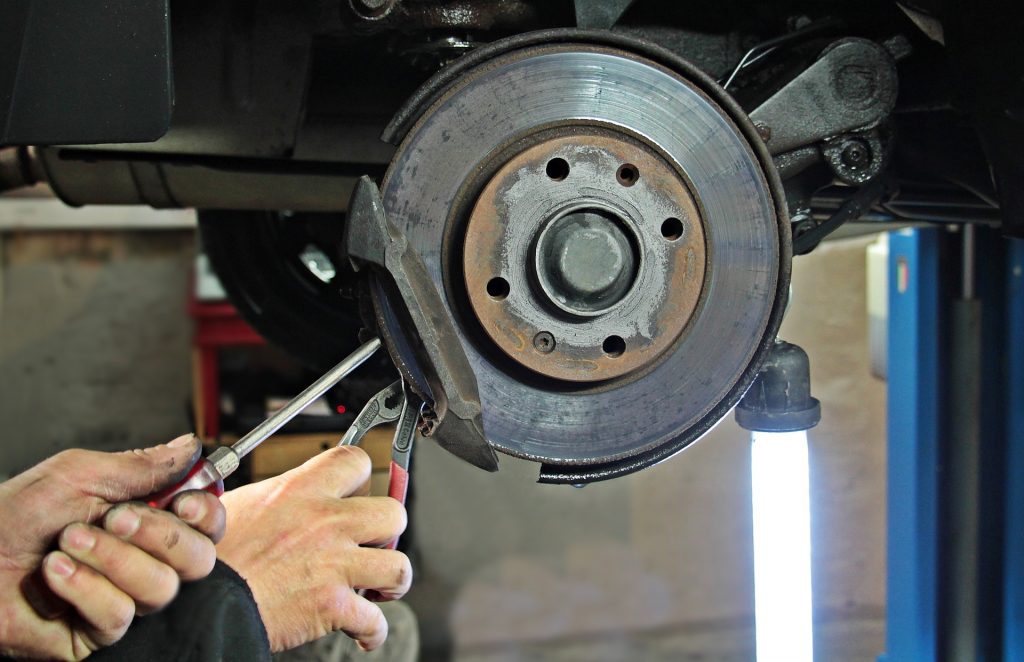

A car tune-up is not a single, fixed service: its scope depends on the vehicle, its maintenance schedule and the symptoms it shows. Ignition coils, air filters and fuel injectors each affect engine operation, but they do different jobs and do not necessarily need attention at the same time. Understanding how a technician evaluates these parts can help distinguish routine maintenance from repairs prompted by a specific fault.
Tune-Up Inspections for Coils, Filters and Injectors
A tune-up typically combines scheduled maintenance with checks for engine performance. The exact tasks vary: a modern vehicle may require spark plug service and system diagnostics, while a filter replacement may be due according to mileage, time or operating conditions.
Technicians can review maintenance records, scan for diagnostic trouble codes and inspect accessible components. A warning light alone does not identify a failed part; misfires, for example, may originate from ignition, fuel delivery, air leaks or other engine problems. Diagnosis helps avoid replacing parts that are still functioning properly.
| Component | Role | What a Technician May Check |
|---|---|---|
| Ignition coil | Provides voltage for spark plug ignition | Misfire data, electrical connections and coil operation |
| Air filter | Reduces dust and debris entering the engine | Contamination, damage and service interval |
| Fuel injector | Delivers a measured amount of fuel | Fault codes, performance symptoms and fuel-system operation |
These checks are related, but they are not interchangeable: each points to a different part of the combustion process.
Ignition Coil Checks During a Car Tune-Up
Ignition coils transform the vehicle’s electrical supply into the high voltage required by the spark plugs. Depending on the engine design, a car may use an individual coil for each cylinder or another coil arrangement.
A failing coil can contribute to rough running, hesitation, reduced power or a misfire code, though those signs can also have other causes. A technician may use scan-tool information and electrical tests to narrow down the fault. Replacing a coil without checking the spark plug, wiring and related systems can leave the underlying problem unresolved.
Coils do not have one universal replacement interval. Their condition, the manufacturer’s guidance and evidence of failure determine whether replacement is appropriate; a scheduled tune-up is an opportunity to inspect, not an automatic reason to change every coil.
Air Filter Service and Engine Airflow
The engine air filter traps airborne particles before they enter the intake system. As it collects dirt, airflow may become restricted, although the effect on performance depends on the vehicle and the filter’s condition.
Inspection is straightforward in many vehicles: a technician checks for heavy contamination, damage, poor fit or moisture, then compares the condition with the maker’s maintenance schedule. Dusty roads and other demanding conditions can call for more frequent checks than ordinary driving. A filter should be the correct type and installed securely so unfiltered air does not bypass it.
Air filters are generally simpler to assess than fuel injectors, but appearance alone does not replace the service interval. The practical aim is to maintain clean, unobstructed airflow without replacing a serviceable part prematurely.
Fuel Injector Diagnosis and Cleaning
Fuel injectors deliver fuel into the engine in a controlled pattern and quantity. Deposits, leaks, electrical faults or other fuel-system issues can disrupt delivery and contribute to rough idle, difficult starting, uneven acceleration or increased fuel consumption.
Because those symptoms overlap with many other faults, diagnosis should come before cleaning or replacement. A technician may review trouble codes and engine data, inspect the system, and perform appropriate tests. Cleaning can help when deposits are identified, but it cannot repair a damaged injector or resolve an unrelated ignition or air-intake problem.
Useful questions to discuss during a tune-up include:
- Which inspection or test indicates that the component needs service?
- Does the vehicle manufacturer specify a maintenance interval for it?
- Could another fault explain the same symptom or diagnostic code?
Separating inspection from confirmed repair keeps tune-up decisions focused on the vehicle’s actual needs.