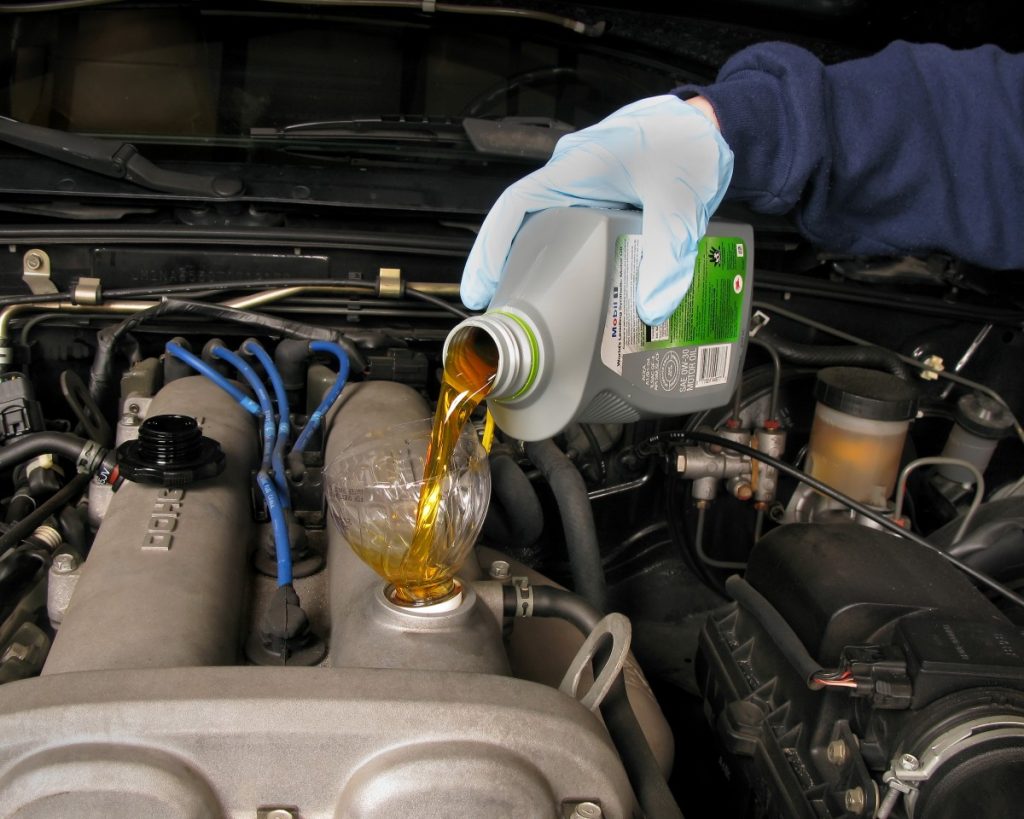

Often underestimated, the oil filter plays a pivotal role in maintaining your vehicle’s health. It works silently but relentlessly to protect your engine from harmful contaminants. Without the right filtration, your engine risks inefficiency, wear, and costly repairs. Discover why choosing a premium oil filter is a smart investment for any car owner.
The Unsung Hero of Engine Cleanliness
Every journey you take involves countless microscopic particles, such as metal shavings, dirt, soot, that threaten your engine’s internal mechanisms. A superior oil filter captures these impurities, preventing them from scratching or damaging vital engine parts. Unlike low-grade filters, top-quality options utilize advanced filtration media designed to trap the tiniest particles, ensuring your engine oil remains pure and effective throughout its life span.
Optimizing Oil Flow for Peak Efficiency
Maintaining proper oil circulation is crucial. A high-grade filter is engineered to allow uninterrupted oil flow while effectively removing impurities. It also incorporates features like a pressure relief valve to safeguard against blockages, ensuring your engine receives continuous lubrication. This balance protects your car from overheating and premature wear, translating to smoother performance on every drive.
Extending Oil Life and Cutting Maintenance Costs
Clean oil functions better and lasts longer, and that’s a direct benefit of an excellent filtration system. By filtering out contaminants that promote oil degradation, a quality oil filter reduces sludge buildup and oxidation. This means you can maintain regular oil change schedules without fear of accelerated oil breakdown, ultimately saving you money on oil and reducing downtime for maintenance.
Durability Across Diverse Conditions
Whether you face blistering summer heat or freezing winter conditions, a first-rate oil filter is built to survive and perform. Robust construction materials like reinforced steel and heat-resistant gaskets protect the filter’s integrity, ensuring no leaks or failure. This resilience supports your engine’s longevity regardless of the environment or driving habits involved.
Identifying the Features that Define a Great Oil Filter
The market offers countless filters, but not all promise the protection your engine deserves. Knowing what to look for can guide you in selecting a product that truly delivers high performance and reliability.
Advanced Filtration Media for Superior Particle Capture
The core of an effective oil filter lies in its media. Premium models often use synthetic or blended fibers with uniform pore sizes to trap finer particles while ensuring unrestricted oil flow. This enhanced material resists clogging and works harmoniously with engine oils, including those with additive packages, preserving filtration efficiency over the entire service interval.
Functional Valves for Engine Safety
Good filters come equipped with an anti-drainback valve that prevents oil from draining out when the engine is off. This feature ensures immediate oil circulation during startup, reducing wear. Additionally, a properly calibrated pressure relief valve opens only when necessary to maintain flow, avoiding damage due to clogged filters.
Robust Build Quality to Withstand Harsh Conditions
The filter’s outer casing, gaskets, and seams must endure high pressure and temperature fluctuations. High-quality filters feature corrosion-resistant steel housings and durable gasket materials like Viton or silicone. These elements contribute to leak prevention and consistent performance, especially in demanding driving environments.
Compatibility and Performance Certifications
Always seek filters certified to meet or exceed industry standards such as SAE, ISO, or manufacturer-specific specifications. These endorsements reflect rigorous testing and compliance, guaranteeing the filter’s ability to protect your engine effectively.
Comparing Popular Oil Filters: Features and Specifications
Selecting the best filter can be overwhelming. Here’s a concise comparison of three product categories catering to different vehicle needs:
| Filter Type | Filter Media | Designed For | Typical Service Life |
|---|---|---|---|
| Standard Passenger Car | Synthetic-blend cellulose and polyester | Daily drivers, SUVs, light trucks | Up to 7,500 miles |
| Heavy-Duty Truck | Full synthetic microglass | Commercial trucks, diesel engines | Up to 15,000 miles |
| High-Performance Racing | Reinforced synthetic with nanofibers | Racing and high-stress engines | Up to 5,000 miles (shorter interval) |
Common Queries About Oil Filters Answered
Understanding maintenance routines and filter compatibility is key to protecting your vehicle.
Frequency of Oil Filter Replacement
Experts recommend changing the filter every time you service your oil, typically between 5,000 and 7,500 miles for passenger vehicles. For commercial or heavy machinery, this interval often extends due to larger capacities and robust filter construction. Harsh driving conditions may necessitate more frequent replacements to prevent contaminant buildup.
Mixing Brands of Oil and Filters
Though possible, mixing different oil and filter brands isn’t advisable. Oil additives and filter media specifications are designed to complement each other. Incompatibility can lead to reduced filtering efficiency or premature media failure. For optimal results, stick to recommended combinations and consult your vehicle’s manual when switching products.
Signs Indicating a Filter Replacement Is Needed
Decreased engine performance, sluggish acceleration, unusual engine noises, or darker oil are all warning signs your oil filter may be compromised. Ignoring these symptoms can accelerate engine wear and cause serious damage, so timely replacement is essential for ongoing vehicle health.
Additional Resources to Explore
For more in-depth understanding, consider diving into topics such as engine maintenance and the cost of neglecting oil filters or optimal oil change intervals for trucks. These resources help demystify maintenance schedules and further stress the importance of quality filtration.
Choosing the right oil filter is an investment in your vehicle’s future. A premium filter improves engine efficiency, safeguards critical components against impurities, and promotes longer oil life. Its robust construction ensures reliable performance through varying climates and driving conditions, preventing premature wear and costly repairs. By matching high filtration efficiency with durability, these filters help maintain your vehicle’s power and fuel economy while reducing emissions.
Don’t overlook this small but mighty component during your next service. Consult with professionals who specialize in quality automotive parts to find the ideal filter suited for your vehicle and driving habits. Take control of your car’s performance and longevity by upgrading to a premium oil filter today.
https://www.youtube.com/watch?v=FIBh77UQ9MA