In the realm of construction and architecture, precast concrete holds a significant place due to its durability and versatility. However, with the passage of time, exposure to harsh elements, or improper handling, these surfaces can suffer damage that detracts from their structural integrity and aesthetic appeal. Understanding how to effectively restore these surfaces is paramount for maintaining both the functionality and beauty of various constructions.
Assessing Damage on Precast Concrete Surfaces
The first step in the restoration of damaged precast concrete surfaces is a thorough damage assessment. This involves inspecting the concrete for cracks, chips, or spalling, which can occur due to freeze-thaw cycles, moisture ingress, or physical stress. Identifying the specific type of damage is essential as it dictates the appropriate restoration techniques.
Identifying Common Issues
Several common issues can arise with precast concrete surfaces. Among them are:
- Cracking: Ranging from hairline fractures to larger fissures, these breaks can compromise the overall strength of the concrete.
- Spalling: This is the flaking or chipping of concrete due to embedded moisture freezing and expanding.
- Discoloration: Stains from oils, rust, or environmental factors can lead to unsightly patches on the surface.
Each of these issues requires a tailored approach to restoration, emphasizing the importance of a detailed assessment.
Implementing Effective Surface Repair Techniques
After identifying the type of damage, the next step involves choosing the appropriate repair materials and methods. Surface repairs can significantly extend the life of precast concrete and enhance its visual appeal. Several options are available to address different kinds of damage.
Crack Repair: Filling Techniques
Repairing cracks in precast concrete is a fundamental step to ensure long-lasting results. Various techniques can be employed depending on the crack size:
- For Hairline Cracks: Utilize a liquid crack filler that can penetrate and bond with the existing concrete.
- For Larger Cracks: Epoxy or polyurethane injections can be used for a more durable solution.
- Flexible Sealants: For moving cracks, a flexible sealant ensures adaptability to minor shifts in the structure.
Properly executed crack repairs will mitigate moisture intrusion, preventing further deterioration.
Addressing Spalling Damage
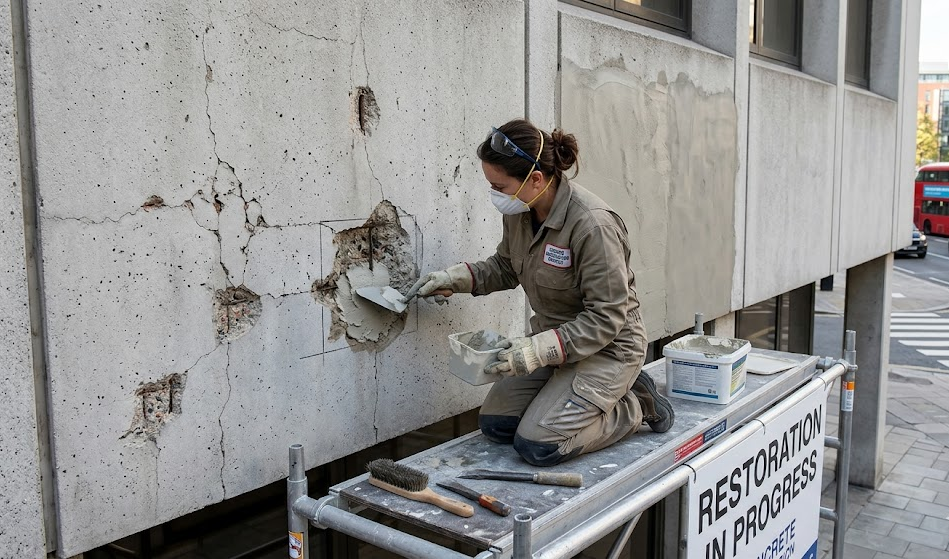
Spalling is often a more complicated issue requiring the removal of the damaged concrete layer. The process generally includes:
- Surface Preparation: Remove any loose or flaking material using a chisel or grinding tool.
- Application of Repair Mortar: Once the area is clean, apply a polymer-modified repair mortar that closely matches the original concrete.
- Finishing: Texture the surface to blend it seamlessly with the surrounding area.
Addressing spalling ensures not only a more attractive finish but also the restoration of structural integrity.
Concrete Resurfacing Options
In some cases, particularly where the damage is extensive, concrete resurfacing may be the best option. This technique involves applying a new layer of concrete to the existing surface, providing a fresh finish and improved durability.
Selecting Resurfacing Materials
The choice of resurfacing material can dramatically affect the outcome. Options include:
- Polymer-Modified Overlays: These products enhance adhesion and flexibility while allowing for various textures and finishes.
- Micro-toppings: Ideal for cosmetic repairs on less damaged surfaces, these thin layers can restore color and texture without adding significant thickness.
- Textured Coatings: Available in multiple colors, they not only enhance aesthetics but also provide slip resistance.
Choosing the right material ensures that the resurfaced area retains its integrity while enhancing visual appeal.
Applying Sealers for Long-Term Protection
Finally, applying a sealer is essential in the restoration process. Sealers protect the concrete from future damage. They come in various formulations, each tailored for different conditions and purposes.
Choosing the Right Sealer
Several factors should influence the selection of a sealer:
- Type of Exposure: For outdoor surfaces subject to harsh weather, choose deep-penetrating sealants that repel moisture.
- Aesthetic Preferences: Glossy finishes may enhance appearance, while matte finishes can offer a more natural look.
- Traffic Conditions: High-traffic areas may benefit from epoxy or polyurethane sealers for added durability.
Correctly applied sealers safeguard against moisture infiltration, UV damage, and stains, ensuring the longevity of your restored surface.
Maintaining Restored Surfaces
Once the restoration is complete, regular maintenance by professionals is key. This includes periodic inspections and routine cleaning to keep the surfaces in top condition. Re-sealing every 2-5 years further preserves the integrity and appearance of the precast concrete.
With the right approach and materials, restoring damaged precast concrete surfaces not only revives their functionality but enhances their aesthetic appeal, ensuring they stand the test of time.