
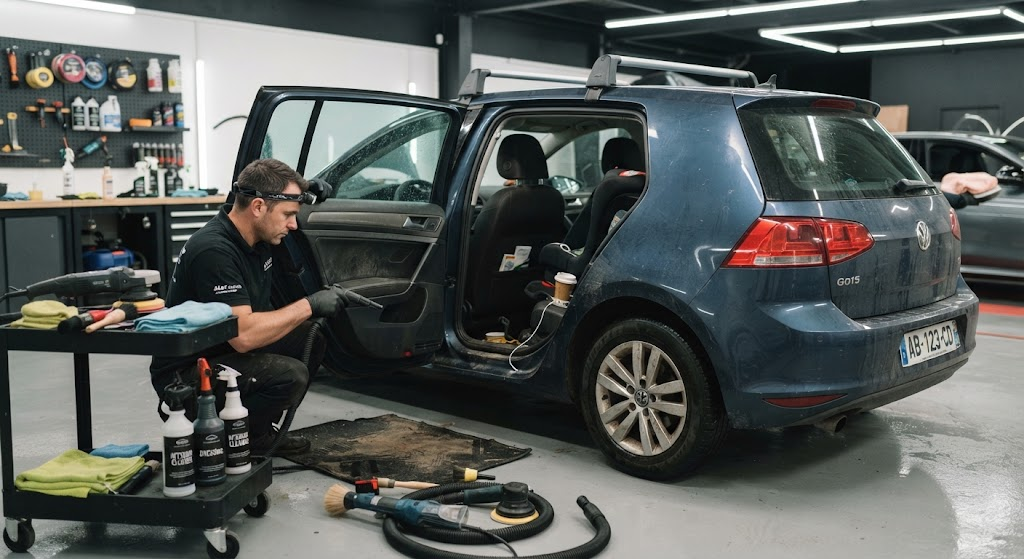
Maintaining a vehicle’s appearance and functionality becomes paramount when driving conditions are challenging. For those navigating through harsh environments, such as heavy rain, road salt in winter, or urban pollution, regular detailing is not simply a cosmetic endeavor; it’s a vital component of vehicle preservation. Understanding the intricacies of car detailing tailored to daily demands can significantly extend the life of your vehicle’s exterior and interior.
Recognizing the Importance of Car Detailing
Car detailing involves a comprehensive cleaning and preservation process that goes beyond a standard wash. Regularly detailing your vehicle addresses surface issues before they escalate into serious problems. Exposure to contaminants such as dirt, grime, and industrial fallout can lead to permanent damage if not managed properly. Effective detailing provides protection, enhances aesthetics, and can even increase resale value.
Understanding the Detailing Frequency for Daily Drivers
For vehicles driven regularly in demanding conditions, the detailing frequency should be adjusted accordingly. The industry standard is typically every four to six months. However, frequently driven vehicles may require more attention to maintain their pristine condition and protect against environmental wear.
Adapting Detailing Techniques Based on Conditions
Environmental factors significantly influence detailing practices. Adjusting your approach based on season and conditions ensures maximum protection and appearance, paving the way for long-term vehicle care.
Spring Detailing Essentials
As winter recedes, spring presents an opportunity to address damage accumulated over colder months. Road salt and grime must be thoroughly removed to prevent rusting. A full detailing during this season can involve:
- Deep cleaning of the exterior to eradicate salt residues.
- Inspection and treatment of any paint damage.
- Interior sanitization to eliminate allergens left from winter gear.
Summer Maintenance Strategies
Summer brings its own set of challenges, with increased exposure to UV rays, tree sap, and insect residues. Shift your detailing practices to emphasize protective treatments:
- Frequent washing to prevent damage from contaminants like bug splatter.
- Application of wax or sealant to guard against UV rays.
- Regular cleaning of the interior, particularly if air conditioning contributes to dust build-up.
Setting Up a Detailing Schedule Based on Daily Driving Habits
Daily driving patterns dictate the level of contamination your vehicle endures. Customizing your detailing schedule accordingly ensures your vehicle remains in optimal condition through various external stresses.
Routine for Heavy Users
For those who drive long commutes or frequently traverse poorly maintained roads, implementing a routine every two to four months is essential. Regular interior cleaning will mitigate potential hygiene issues caused by food spills or dirt brought in from outside.
Less Frequent Drivers
Conversely, for drivers who use their cars sparingly, such as weekend leisure drivers, a semi-annual detailing might suffice. However, regular maintenance washes should still be performed to prevent dirt accumulation.
Implementing Effective Maintenance Techniques
A successful detailing routine hinges on integrating maintenance practices into your regular schedule. Keeping up with basic care can significantly extend the life of any detailing done.
Adopting a Two-Bucket Wash Method
Employing a two-bucket wash method eliminates the risk of introducing scratches from dirt carried on wash media. This technique should be combined with high-quality microfiber towels to reduce the risk of surface damage when wiping down surfaces.
Dealing with Immediate Contaminants
Monitoring your vehicle after each drive is crucial. Contaminants like bird droppings or tree sap need rapid attention to prevent permanent etching into the paint. This proactive approach ensures that minor issues are addressed swiftly before escalating.
Staying Ahead of Seasonal Challenges
Every season brings its own unique challenges that can affect vehicle condition. Preparation and adjustments to your detailing schedule can guard against many of these potential pitfalls.
Winter Protection Measures
In winter, frequent washes are vital, focusing on the undercarriage to eliminate road salt. Applying a strong wax before heavy snowfall can protect the paint from damage caused by moisture and ice.
Prepping for Seasonal Changes
As summer transitions into autumn, ensure to remove any leaf residues and apply a protective layer, preempting winter’s challenges. This prep work can effectively mitigate the effects of heavy rain and road grime seen in colder months.
In conclusion, regular car detailing helps vehicles exposed to demanding daily conditions maintain a clean appearance while protecting their interior and exterior surfaces. Consistent care can also preserve the vehicle’s overall condition over time. Working with car detailing professionals ensures that the right products and techniques are used for each vehicle.


