
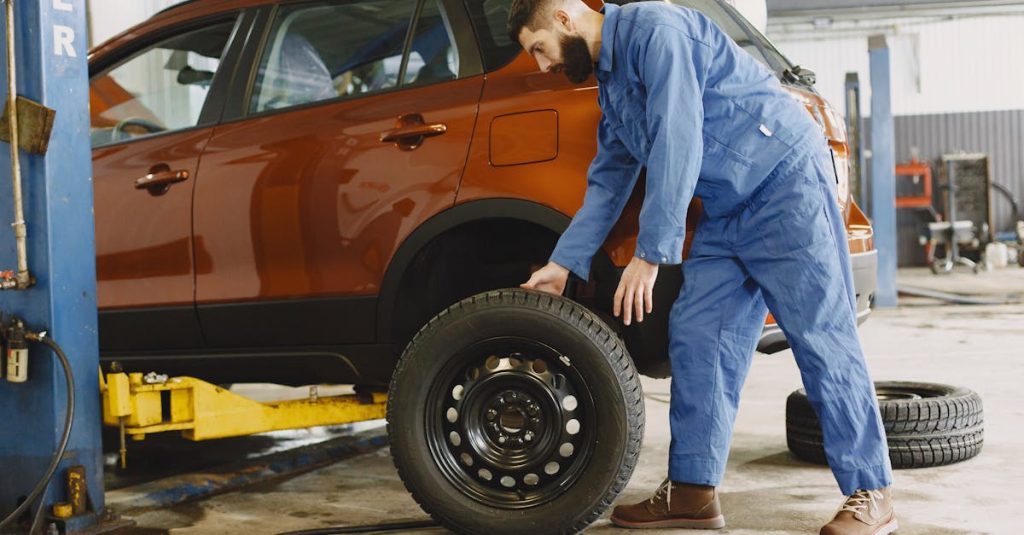
When it comes to tire installation, two often-overlooked factors play crucial roles in your vehicle’s performance and safety: balancing and alignment. Understanding how these elements affect your ride helps prevent costly repairs, ensures smoother handling, and extends the lifespan of your tires. Let’s uncover the secrets behind these tire maintenance practices and why they matter.
The Vital Role of Tire Balancing
Have you ever felt a strange vibration through your steering wheel on the highway? That’s usually a sign your tires need balancing.
Proper tire balancing involves evenly distributing the weight around each wheel and tire assembly. When tires rotate, any imbalance causes uneven forces, which translate into vibrations and a less comfortable ride.
How Balancing Works
Technicians use a special machine that spins the tire and wheel assembly to detect light and heavy spots. Once these imbalances are identified, small weights are attached to precise points on the rim to stabilize the rotation. This process ensures each wheel spins smoothly without causing your car to shake.
Benefits of Balanced Tires
Balanced wheels prevent premature tire wear and reduce strain on the suspension and steering systems. They also enhance fuel efficiency by minimizing resistance caused by uneven tire rotation. Ignoring balancing issues can lead to expensive repairs down the road, so regular checks, especially after installing new tires, are critical.
Mastering Wheel Alignment for Optimal Handling
Alignment is the secret to how well your car grips the road and responds to steering inputs. While balancing focuses on weight, alignment adjusts the angles of your wheels in relation to each other and the road surface. These steering and suspension settings, called camber, toe, and caster, control the direction tires point and how evenly they contact the pavement.
Types of Alignment Angles
Camber refers to the tilt of your tires inward or outward at the top. Too much tilt causes uneven wear on tire edges. Toe describes whether the tires point inward or outward when viewed from above; incorrect toe settings lead to rapid outer or inner tire wear. Caster influences directional stability and steering feel by adjusting the angle of the steering pivot.
Consequences of Poor Alignment
Mismatched wheel angles cause your vehicle to pull to one side, lead to uneven tread wear, and can negatively impact fuel economy. Misalignment often results from hitting potholes, curbs, or simply from regular driving over time. If left untreated, it accelerates tire degradation and compromises driving safety.
Balancing and Alignment: Distinct Roles, Shared Importance
Though balancing and alignment address different issues, both contribute to a smooth, safe driving experience. Balancing corrects physical weight disparities in your wheels, minimizing vibrations and enhancing comfort. Alignment ensures your tires maintain the correct orientation relative to the road, improving control and tire longevity.
How to Know Which Service You Need
If you notice a vibrating steering wheel at certain speeds, your tires likely need balancing. On the other hand, if your vehicle drifts left or right, or the steering wheel isn’t centered when driving straight, an alignment check is warranted. Sometimes, your ride may require both services, particularly after installing new tires or following an impact to your wheels.
Maintenance Recommendations for Longevity
Experts recommend balancing your tires when placing new ones and checking alignment annually or after incidents like hitting curbs or potholes. Regular maintenance not only saves money by preventing premature tire wear but also contributes to better handling and fuel efficiency, ensuring your vehicle runs as smoothly as possible.
Choosing a Professional Service: Ensuring Precision and Safety
Trusting skilled technicians with the right equipment guarantees quality results for your tires and your peace of mind. Tire balancing requires sensitive machines that detect minute weights, while alignment uses computerized systems to measure wheel angles with pinpoint accuracy. Attempting these services without professional tools can lead to subpar results and potential safety hazards.
What to Expect at the Shop
A reputable tire service center will perform a thorough inspection, assess wear patterns, and recommend necessary balancing or alignment adjustments. Additionally, they might offer related services such as tire rotations or suspension inspections to complement the care of your wheels.
Added Value From Experts
Professional technicians stay updated on the latest automotive technologies, including recalibration needs for advanced driver assistance systems (ADAS) after alignment. They also provide valuable advice on maintaining your vehicle, whether it’s about brake-related concerns or radiator upkeep, aligning with comprehensive car care guidance found in resources like our comprehensive car repair guide and auto glass care tips.
Looking for expert assistance? Reach out to trusted company like ANP Wheels & Tyres to enhance your vehicle’s comfort and style alongside regular mechanical maintenance.