
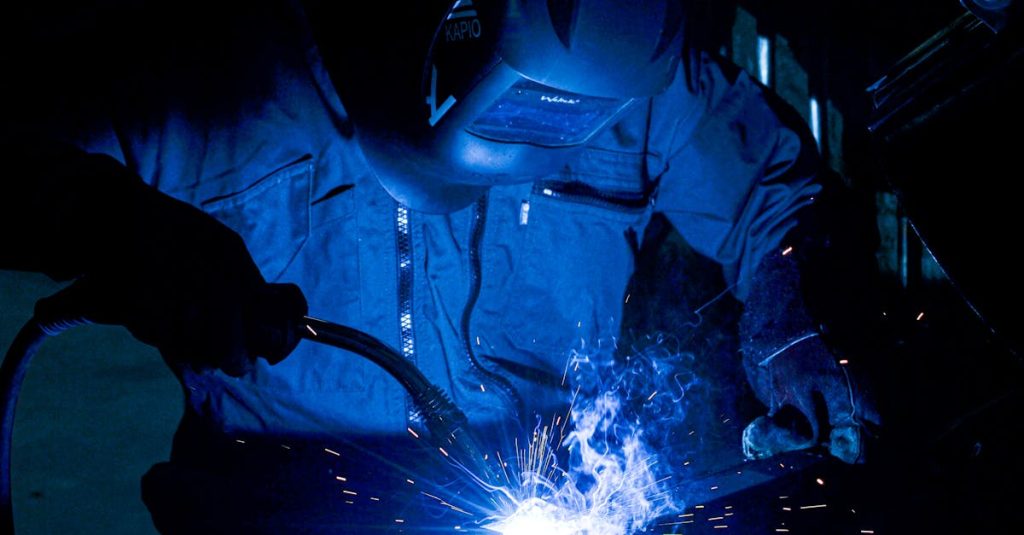
If your vehicle has suffered from collision damage, dents, or rust, car welding services offer a reliable solution to restore its strength and extend its lifespan. Expert welders can seamlessly repair and reinforce your vehicle’s frame, wheels, and body panels using advanced techniques like stick, MIG, and TIG welding. By addressing structural issues promptly, these services not only enhance safety but also preserve the value and durability of your car.
Car Welding Services: Essential Repairs for Your Vehicle’s Longevity
Car welding plays a crucial role in strengthening your vehicle and extending its usability after damage. Whether from severe impacts or rust deterioration, repair techniques involving welding can restore your car’s structural integrity efficiently. Skilled professionals use advanced methods to replace damaged sections of your automobile, ensuring it not only looks good but also performs safely on the road. Learning how welding contributes to vehicle repair can empower you to make informed decisions about collision fixes and maintenance.
As collisions can cause significant damage to your car’s frame and panels, precise welding solutions are pivotal to restore the original design and safety. Engaging experienced mechanics guarantees high-quality craftsmanship, reducing future repair needs. For more insights into restoring your car after accidents, discover detailed collision repair strategies.
Frame Welding: Rebuilding the Backbone of Your Vehicle
The frame is the foundation that supports your car’s overall structure. Frame welding involves cutting out severely dented or warped areas and welding new metal pieces into place. This process demands precise handling since it deals with thick metals designed to absorb impacts. Typically, stick welding is the preferred technique for car frame repairs due to its strength and durability.
This specialized welding rejuvenates your vehicle’s safety features by restoring its original contours and strength. Neglecting frame damage can lead to compromised handling and increased risk during accidents. For a deeper understanding, check how your vehicle’s foundation affects its performance in this comprehensive guide.
Wheel Welding: Fixing Cracks to Avoid Tire Risks
Metal wheels, particularly aluminum ones, often suffer from cracks caused by hitting deep potholes or curbs. These fissures may lead to air leaks, jeopardizing vehicle safety and comfort. Wheel welding is a precise job usually done with a TIG welder, known for its ability to handle delicate aluminum materials without compromising strength.
By repairing the cracked wheel rather than replacing it outright, drivers save costs and reduce waste. Skilled welders assess the extent of damage before recommending the most viable solution. Prompt wheel repair minimizes risks like sudden tire deflation and uneven wear.
Panel and Rust Welding: Maintaining Your Vehicle’s Aesthetic and Structural Health
Rust can drastically reduce the lifespan of your car’s body by eating through metal panels. Welding services provide effective restoration by removing damaged sections and inserting patch panels or replacing entire panels when necessary. Choosing the right method depends on damage severity and budget considerations.
Employing MIG welding, experts fix rips or tears in panels caused by collisions or rust expansion. While full panel replacement often demands higher costs, patch panel welding offers a budget-friendly alternative for minor rust spots. Proper rust repair not only enhances your car’s look but reinforces the metalwork to prevent future decay.
Panel beating techniques complement welding repairs, ensuring flush and smooth finishes. To learn more about panel maintenance and repair, visit this essential guide on panel beating.
Choosing the Right Welding Technique for Your Car’s Needs
Each form of car welding—whether it’s frame, wheel, or panel repair—requires different approaches and equipment. Stick welding is favored for thick frame metals due to its power, TIG welding excels in aluminum wheel repairs for precision, and MIG welding is typically used for car panel work due to its versatility.
Knowing which welding method suits your specific repair can improve job quality and cost-efficiency. Specialist mechanics often rely on their expertise to select the optimal technique based on the damage type and the metal involved. This expertise ensures durability and reliable restoration of your vehicle.
Maintaining Vehicle Health: The Role of Welding in Car Longevity
Regularly addressing damage through welding extends your car’s lifespan and maintains safety standards. Ignoring problems like frame distortion or rust compromises vehicle stability and can lead to costly replacements. Skilled welding services reinforce damaged areas, preventing further wear and tear.
Welding also contributes to preserving resale value by keeping your vehicle structurally sound and visually appealing. Integrating welding repairs with scheduled maintenance, such as using a car lift for thorough inspections, optimizes upkeep efforts. Learn practical tips for easy car maintenance with a car lift guide.
Understanding when and how to employ welding repairs empowers vehicle owners to safeguard their investment effectively.
Timely Welding Repairs Save You Money
Proactive welding services stop minor issues from escalating into major structural failures. Early rust treatment and crack repair via expert welding mitigate expensive replacements or risking safety hazards on the road. Engaging certified mechanics with proven welding skills ensures each job supports your car’s long-term function.
For additional insights into major repairs like engine replacements, which may follow if structural concerns are overlooked, explore top considerations outlined in this expert article.
To revive your vehicle with expert welding services? Contact a certified professional today to ensure your car remains strong and reliable for years to come.


