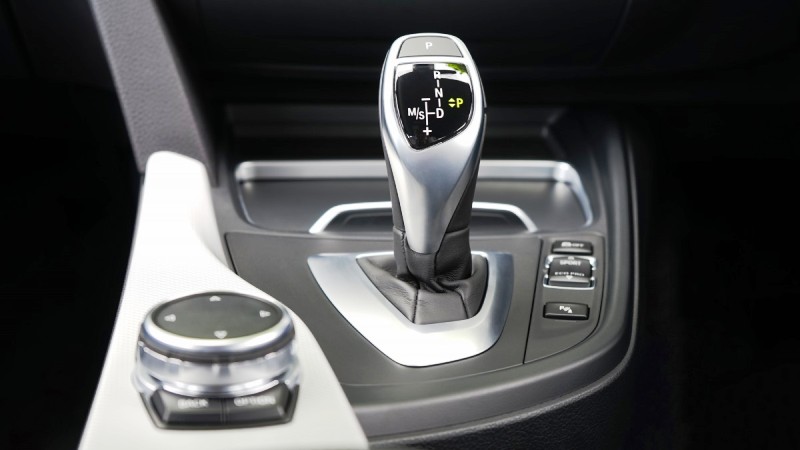

Did you know a failing transmission system can reduce your engine’s lifespan by nearly 50%? In fact, improper transmission choices lead to overheating, increased friction and costly repairs that can drain your wallet quickly. Choosing the right transmission system is key not only for smooth driving but also for the long-term health of your car’s engine.
The Types of Transmission Systems
There are primarily three types of gear systems: manual, automatic, and continuously variable transmission (CVT). Manual gearboxes appeal to enthusiasts wanting control and economical operation, while automatic transmits power effortlessly for maximum comfort. The CVT offers smooth acceleration due to its seamless gear ratios, as explained clearly in this informative article about continuously variable transmissions.
| Transmission Type | Advantages | Maintenance Cost |
|---|---|---|
| Manual | Better fuel efficiency, cheaper repairs | Moderate |
| Automatic | Easy to drive, smooth gear changes | Higher |
| CVT | Smooth acceleration, good fuel economy | High and specialized |
Your choice heavily influences the engine’s strain, performance, and overall lifespan. Picking the appropriate transmission type essentially guides how efficiently power and fuel move from engine to wheels.
Consider Your Driving Habits Carefully
Your daily driving routine significantly impacts the kind of gearbox you should select. City drivers who endure lots of stop-and-go traffic tend to favor automatic gearboxes or CVTs for smoother driving experiences. Conversely, those frequently navigating open roads might consider manual transmissions, which provide superior fuel economy and durability due to fewer moving parts.
If you regularly transport heavy loads or frequently tow trailers, an automatic transmission with an auxiliary cooler can significantly protect your engine from overheating. This helps avoid one of the most common transmission issues, ultimately extending the life of your engine.
Evaluating Maintenance Requirements and Cost Efficiency
Every transmission system demands regular upkeep, including fluid checks, inspections, and occasional part replacements. Automatic transmissions may require less driver involvement, but frequently incur higher maintenance costs due to their complexity. In contrast, manual transmissions often cost less to repair but demand more careful operation from the driver to maintain their condition.
CVTs typically require specialized maintenance and might not be easily serviceable everywhere, potentially increasing expenses. Learn more about servicing and replacing transmission fluids by reading about why changing transmission oil is important.

The Importance of Transmission Fluid Protection
Quality transmission fluid lubricates moving components, dissipates heat, and ensures smooth shifts. Opting for synthetic fluids may enhance power delivery, protect against overheating, and reduce transmission failures. While synthetic fluids cost more initially, their enhanced protective properties extend a transmission’s life expectancy significantly, saving money and headaches down the road.
Compatibility and Technical Considerations
Never overlook the compatibility between your car’s engine and gearbox system. Not all engines perform well with every type of gear transmission. For example, high-performance engines typically pair excellently with manual transmissions, whereas smaller, fuel-efficient engines often integrate seamlessly with CVTs.
Understanding how your vehicle’s gearbox linkage system operates helps in making informed choices, ensuring optimal performance and minimal internal wear over the long haul.
How Does Your Transmission Choice Impact Brakes?
Transmission systems influence other vital car functions, including braking efficiency. For instance, manual transmission vehicles allow engine braking, reducing pressure on your braking system—beneficial when descending steep slopes or carrying heavy loads. Automatic cars and CVTs rely more heavily on the actual brake system, increasing stress and wear. This makes routine brake maintenance and repairs essential.
Before settling on your ideal transmission, consider seeking insight from experienced automotive professionals. Skilled tech specialists, like Ontario Belting, evaluate your driving habits, vehicle usage, and preferences accurately, guiding you toward optimal system selection. This early consultation ensures smoother performance, fewer breakdowns, and an extended lifespan of your entire vehicle, especially its engine.