
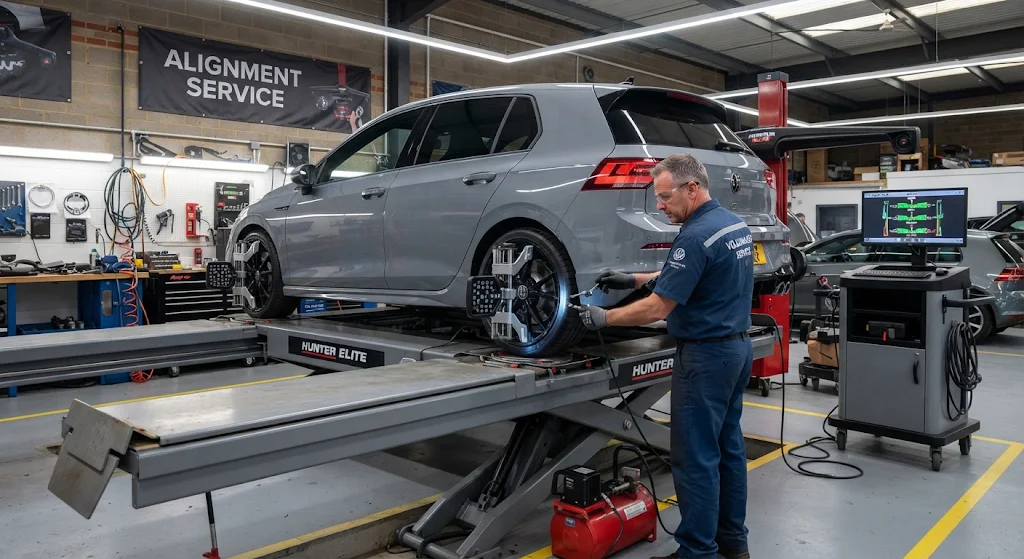
Experiencing a vehicle that pulls to one side can be a frustrating issue for drivers. Even after a professional wheel alignment, your car might still exhibit this behavior. Understanding the underlying causes can help you address the problem effectively and ensure safe driving conditions.
Common Causes of Vehicle Pulling
There are several factors that can lead to a vehicle pulling to one side, even after a wheel alignment has been performed. Identifying these causes is the first step toward rectifying the issue.
1. Uneven Tyre Pressure
Tyre pressure plays a significant role in how your vehicle handles on the road. If the tyre pressure is uneven across your vehicle, it can lead to pulling.
- Low pressure in one tyre can cause it to wear unevenly.
- Overinflation can lead to a loss of traction on the road.
- Regularly checking and maintaining proper tyre pressure can prevent these issues.
2. Worn or Damaged Suspension Components
The suspension system is crucial for maintaining stability and control. Worn or damaged parts can affect how your vehicle handles.
- Shock absorbers that are no longer effective can lead to uneven weight distribution.
- Ball joints and control arms that are damaged can cause misalignment.
- Regular inspections of suspension components are important for performance.
Tyre Condition and Type
The condition and type of tyres fitted on your vehicle can also contribute to pulling. It’s essential to consider how tyres interact with your vehicle’s dynamics.
1. Tyre Wear Patterns
Tyres wear differently based on driving habits and road conditions. Understanding these patterns can help diagnose the pulling issue.
- Uneven wear can indicate misalignment, which may not have been fully corrected.
- Tyres with a significant tread difference can cause pulling to one side.
- Regular rotation and monitoring of tyre condition can ensure even wear.
2. Tyre Type and Compatibility
The type of tyres you use can also influence your vehicle’s handling. Compatibility with your vehicle is key.
- Using tyres not suited for your vehicle’s specifications can lead to handling issues.
- Different tread patterns affect traction and stability on various surfaces.
- Consulting with a tyre professional can help you choose the right tyres.
Brake System Issues
Problems with the brake system can lead to pulling, especially when braking. It’s important to consider how brakes interact with your vehicle’s steering.
1. Sticking Brake Calipers
When brake calipers stick, it can cause uneven braking force across the wheels, leading to pulling.
- Sticking calipers can cause one side to brake more effectively than the other.
- This uneven braking can manifest during normal driving, not just during braking.
- Regular maintenance of the brake system can prevent this issue.
2. Worn Brake Pads
Worn brake pads can also lead to uneven braking and pulling. It’s essential to keep an eye on their condition.
- Uneven wear on brake pads can affect braking force distribution.
- Replacing brake pads regularly can maintain consistent performance.
- Periodic inspections of the brake system are vital to safety.
Alignment and Steering Issues
Even after a wheel alignment, there may be underlying steering issues that contribute to pulling. Understanding these factors can help ensure a smooth driving experience.
1. Incorrect Wheel Alignment Settings
Sometimes, wheel alignment settings may not be correctly adjusted, leading to persistent pulling.
- Alignment settings should be checked against manufacturer specifications.
- Different driving conditions may require adjustments to alignment settings.
- Regular alignment checks can help maintain optimal handling.
2. Steering Rack Problems
Problems with the steering rack can also cause pulling issues. These components are critical for steering responsiveness.
- A failing steering rack can lead to inconsistent steering behavior.
- Issues with the rack can cause improper alignment even after adjustments.
- Regular inspections and maintenance can catch these problems early.
Conclusion (Addressing Persistent Pulling)
Understanding why your vehicle pulls to one side, even after a wheel alignment, is vital for ensuring safe driving. Factors such as uneven tyre pressure, worn suspension components, and brake system issues can all contribute to this problem. It’s advisable to consult with a professional to diagnose and address any underlying issues effectively.


