Many drivers may not realize that transmission problems can begin with seemingly minor driving symptoms. Identifying these subtle signs early can save you from costly repairs down the road. In this article, we will explore the common early indicators of transmission issues, their underlying causes, and how to address them effectively.
Recognizing Delayed Gear Engagement Symptoms
One of the first warnings of potential transmission issues manifests as a delay when engaging gears, particularly when shifting into Drive or Reverse. Under normal circumstances, a vehicle should respond almost instantly to a gear change. A noticeable hesitation or pause could indicate that internal components are beginning to wear out. Common culprits include:
- Low transmission fluid
- Worn clutch packs
- Valve body issues
- Hydraulic pressure problems
Even a slight delay can be a signal that your vehicle deserves immediate inspection, potentially preventing further complications.
Understanding Gear Slipping Issues
Another alarming symptom is gear slipping, which occurs when the transmission unexpectedly changes gears or struggles to maintain its selected gear. Drivers may experience:
- Increased RPMs without acceleration
- Sudden shifts
- Power loss while driving
- Difficulty maintaining speed
This issue often signifies worn components or inadequate fluid levels, making it essential for drivers to remain vigilant, especially during tasks such as merging onto highways or ascending hills.
Listening for Unusual Noises
When your vehicle starts producing unfamiliar sounds, it’s time to take notice. Strange noises are often precursors to transmission troubles. Watch for:
- Grinding noises
- Whining sounds
- Humming noises
- Clunking during gear changes
For instance, a whining sound from an automatic transmission may signal low fluid levels, while grinding sounds in a manual transmission can indicate worn synchronizers. Any abnormal noise during the shifting process warrants prompt investigation.
Fighting Through Rough Shifting
Modern transmissions are engineered for smooth shifts. If drivers experience jerking, banging, or hesitation between gears, it could point to developing problems. Symptoms of rough shifting include:
- Jolting during acceleration
- Harsh downshifts
- Lurching of the vehicle when changing gears
- Impact when shifting into Drive or Reverse
This may arise from dirty transmission fluid, faulty solenoids, or internal wear. Addressing this issue quickly can mitigate further damage.
Spotting Transmission Fluid Leaks
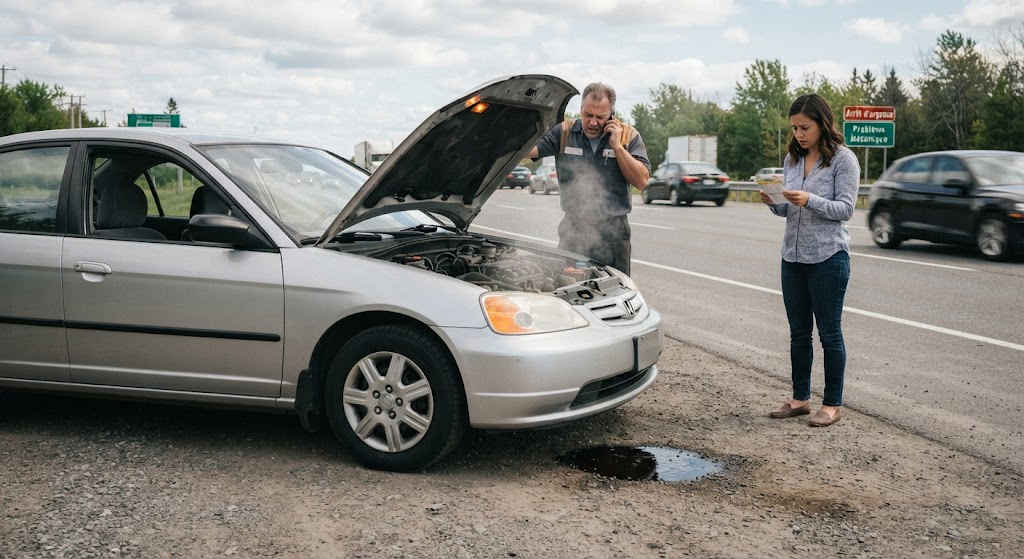
Transmission fluid is critical for lubrication and cooling. Noticeable drips of red, pink, or reddish-brown fluid under your vehicle can indicate a leak. Common locations for these leaks may include:
- Transmission pan gasket
- Cooler lines
- Input and output shaft seals
A small leak can cause significant problems over time due to diminished fluid levels, making it vital for drivers to regularly check their parking spaces for signs of leaks.
Recognizing Burning Smells
A burning odor is a serious red flag. Overheated transmission fluid emits a strong, sharp smell. This often occurs when:
- Fluid levels run low
- The transmission fluid is aged or degraded
- Excessive internal friction generates heat
- The vehicle tows beyond its capacity
When burnt, transmission fluid loses its ability to lubricate essential components, increasing wear and tear. A burning smell while driving requires immediate investigation to avoid catastrophic failure.
Investigating Warning Lights
Most modern vehicles are equipped with electronic monitoring for transmission performance. The activation of a check engine light may indicate issues such as:
- Shift timing problems
- Sensor malfunctions
- Solenoid failures
- Internal transmission faults
It’s essential not to dismiss warning lights, as they can provide diagnostic trouble codes that identify underlying issues needing professional attention.
Responding to Shaking or Vibration
A smooth driving experience can turn shaky if your vehicle begins to vibrate or shudder during acceleration or gear shifts. Common causes of transmission shudder include:
- Worn torque converters
- Contaminated fluid
- Clutch wear
Ignoring these vibrations can lead minor issues into major failures, so remaining alert is crucial for future vehicle reliability.
Dealing with Poor Acceleration
A vehicle that struggles to accelerate, despite the engine performing well, may indicate transmission troubles. Signs of poor acceleration can manifest as:
- Slow response to the accelerator
- Difficulty attaining highway speeds
- Reduced towing capacity
- High engine RPM with little increase in speed
This sluggishness could be the result of slipping clutches, hydraulic difficulties, or electronic faults, warranting immediate attention.
Identifying Difficulty Staying in Gear
For those with manual transmissions, experiencing difficulty maintaining a gear can be frustrating. Signals of this issue include:
- Unexpected gear lever movement
- Slipping into neutral
- Challenges in keeping the selected gear
Poor synchronizers, damaged shift forks, and overall component wear can contribute to this issue, necessitating prompt intervention to prevent further damage.
Understanding Why Transmission Health Matters
A well-functioning transmission ensures seamless gear changes and efficient power transfer, influencing overall fuel economy and vehicle performance. Whether you own an automatic or manual transmission vehicle, overlooking warning signals can lead to extensive damage and potential replacement costs.
Regular maintenance, early identification of issues, and timely responses to abnormalities are the best strategies to safeguard your transmission. Transmission experts can help identify potential problems before they become major failures. Owners should prioritize checks whenever common symptoms arise, as this proactive approach can prevent severe issues and save substantial costs in the long run.