
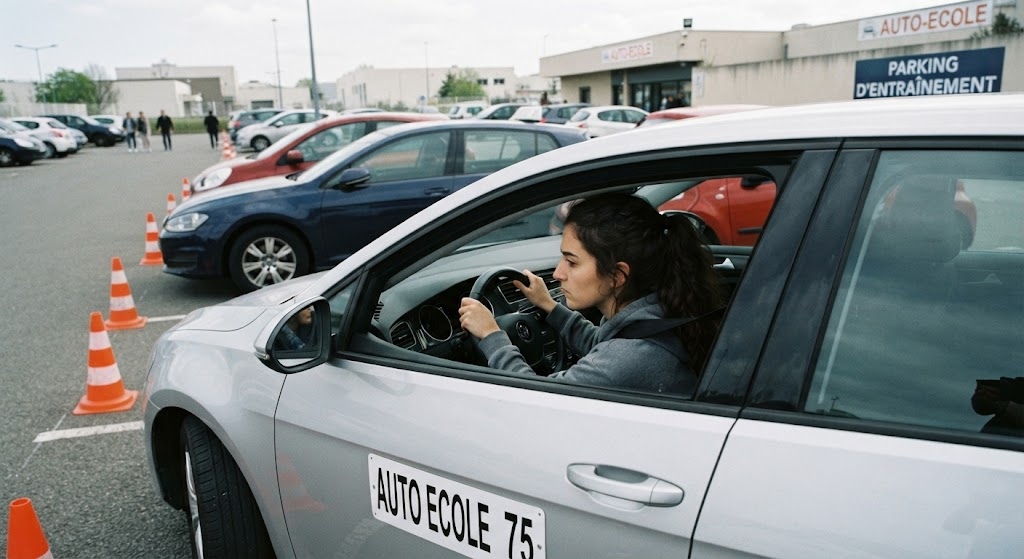
Learning to drive introduces a world of opportunities, but it also presents numerous challenges, especially when it comes to essential maneuvers like parking, merging, and lane changes. Recent trends show that more learners are turning to innovative methods for mastering these skills, from simulators to interactive lessons. These tools not only boost confidence but also ensure safety on the road, paving the way for proficient drivers.
Understanding the Importance of Practice for Parking
Perfecting your parking technique can determine your success on driving tests and daily driving experiences. Proper practice allows new drivers to gain familiarity with their vehicle dimensions, necessary angles, and spacing. Whether it’s parallel parking, reverse bay parking, or angled bay parking, each maneuver has its nuances that require focused training.
Focusing on Key Parking Techniques
Effective parking involves a set of techniques that can be honed through repetition. A few pivotal skills include:
- Learning reference points so you know when to start turning based on your vehicle’s position.
- Practicing adequate distance from the curb to avoid hitting it while parking.
- Utilizing mirrors for better spatial awareness as you maneuver.
These skills will not only aid in passing driving tests but also enhance your everyday driving confidence.
Mastering Merging Techniques on Highways
When it comes to merging onto highways, understanding the right timing and speed is essential. Effective merging ensures you integrate smoothly into traffic without disrupting the driving flow.
During practice, one should focus on a few fundamental strategies:
- Maintain appropriate speed: Matching the speed of the traffic you’re entering is vital.
- Use mirrors effectively: Before merging, check your mirrors frequently to stay aware of surrounding vehicles.
- Signal your intentions clearly: Use turn signals to communicate your merging plans to other drivers.
Following these strategies will significantly reduce the anxiety that comes with this critical maneuver.
Exploring the Benefits of Simulated Practice
Before hitting the real road, many learners benefit immensely from using simulations. Online platforms provide a safe space to practice these skills without the pressure of real-life consequences. For instance, accessing a 3D parking simulator allows individuals to familiarize themselves with various parking scenarios, offering real-time feedback on their performance. This method ensures learners build a solid foundation in their driving skills before attempting them in actual traffic conditions.
Making Lane Changes Safe and Effective
Lane changes pose their unique challenges and require strategic thinking and awareness. Drivers must be vigilant about potential blind spots and ensure safe transitions. Here are the essential steps to execute a safe lane change:
First and foremost, consider the importance of signaling properly to warn other drivers. This simple gesture prepares them for your intended movement. Next, check mirrors and blind spots thoroughly to ensure your path is clear. Finally, adjust your speed gradually as you merge into the adjacent lane.
- Signal your intention clearly before changing lanes.
- Perform mirror checks and a quick shoulder check for blind spots.
- Change lanes smoothly without abrupt movements.
The more you practice these steps, the more intuitive lane changes will become.
Integrating All Skills for Comprehensive Learning
As a learner progresses, integrating all these skills—parking, merging, and lane changes—creates a well-rounded driver. Starting with structured practice, one can build competence in high-stress situations often faced in urban environments. Remember, practice doesn’t always have to take place behind the wheel; utilizing simulators or practicing with a qualified instructor can enhance learning outcomes.
Real-World Practice through Observation
Once foundational skills have been developed through practice or simulation, it’s time to observe experienced drivers. This can be done by shadowing a friend or professional during a daily drive. Observations offer insights into how seasoned drivers handle maneuvers in real-time scenarios. This not only reinforces learned techniques but also builds adaptability when faced with unexpected situations.
Additionally, understanding how other drivers react to specific situations, like a busy intersection or complex parking lot, can prepare learners for their own encounters.
Building Confidence and Being Road-Ready
As learners refine their skills in parking, merging, and lane changes, their confidence will naturally grow. Each successful practice session contributes to a deeper understanding of vehicle dynamics and roadway behavior. It’s essential to remember that while practice is vital, consultation with experienced driving instructors can provide tailored feedback, ensuring that learners are adequately prepared for their driving tests and real-world driving.
Ultimately, the journey to becoming a confident driver is paved with consistent practice, effective learning techniques, and gradual exposure to real-life driving situations.


