
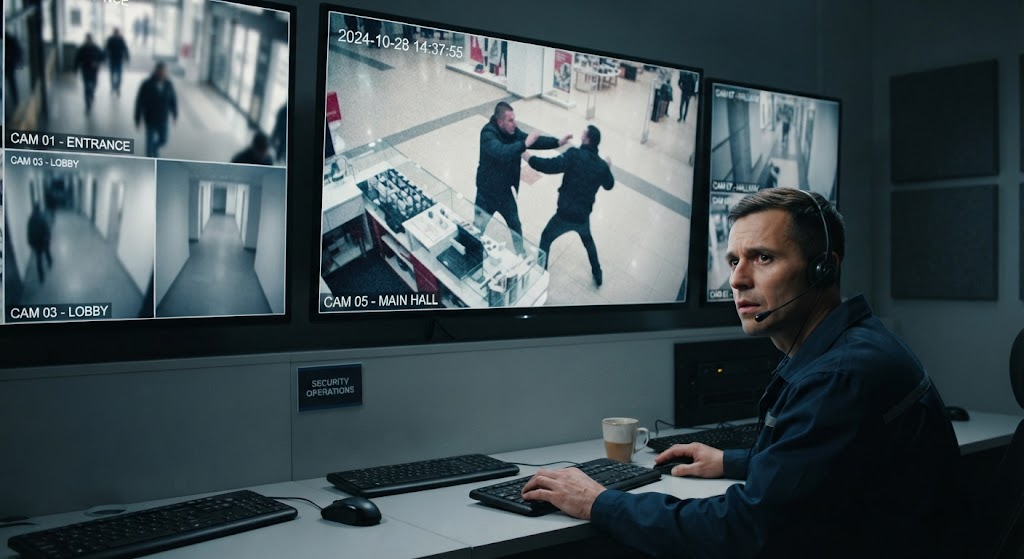
In an age where security concerns are paramount, understanding the role of security cameras during incidents is vital. These sophisticated devices not only capture events but also play a crucial role in real-time monitoring and analysis. As technology continues to advance, the capabilities of security cameras are evolving, revealing intricate details that can significantly impact safety and response measures.
Understanding the Impact of Security Cameras
Security cameras have transformed from basic recording devices to complex systems capable of live monitoring and intelligent analysis. Their role in incidents goes beyond mere observation; they actively contribute to incident detection and evidence collection. By utilizing modern imaging technology and analytics, these cameras provide invaluable insights during potentially dangerous situations.
Enhancing Real-Time Monitoring Capabilities
Real-time monitoring is a core function of modern security cameras. Unlike traditional cameras that only collected footage for post-event review, current systems provide immediate access to live feeds. This shift has become significant for both residential and commercial environments, allowing security personnel to respond swiftly to incidents as they unfold.
Recognizing and Analyzing Suspicious Behavior
Security cameras equipped with advanced motion detection technology can identify unusual behavior patterns. This proactive approach significantly enhances the likelihood of preventing or mitigating incidents. Sophisticated algorithms can detect rapid movement, unauthorized access, or gatherings of people in restricted areas, thus triggering alerts that prompt immediate action.
Incident Response Coordination
One of the most significant benefits of modern security cameras is their integration with incident response systems. When an anomaly is detected, the system can automatically activate alarms, notify security personnel, or even alert local law enforcement. This coordination minimizes the time between incident detection and response, a critical factor in ensuring safety.
Choosing the Right Equipment for Effective Surveillance
Selecting the appropriate security camera equipment significantly impacts its effectiveness during an incident. Factors to consider include resolution, night vision capabilities, and environmental robustness. High-resolution cameras provide clearer images, which are essential for identifying individuals and actions, while reliable night vision ensures continuous monitoring in low-light conditions.
Installation Best Practices
Proper installation of security cameras is equally important. Cameras should be strategically placed to cover blind spots and high-risk areas. A thorough site assessment can determine optimal camera positions, maximizing surveillance effectiveness. Moreover, professional installation often integrates the cameras into a cohesive security system, allowing for better performance and maintenance.
Addressing Common Challenges with Advanced Technology
While the benefits of security cameras are numerous, challenges such as network latency, data storage, and gaps in coverage still exist. However, advancements in AI and cloud technology are addressing these issues. AI analytics enhance system capabilities by filtering out false alerts, and cloud storage options allow for easier access to video data without the constraints of physical storage limitations.
Staying Ahead of Security Trends
Emerging trends in security cameras include the integration of AI and machine learning technologies. These advancements enable predictive analytics, which can assess risks and recommend preventive measures. By staying current with these trends, businesses and homeowners can enhance their security protocols effectively, ensuring that their systems adapt to the evolving landscape of threats.
Conclusion
The role of security cameras during incidents extends far beyond mere surveillance. Their capabilities continue to evolve, providing critical insights that influence incident detection and response strategies. By investing in advanced systems and understanding their functions, organizations can bolster safety measures and improve overall security preparedness.


