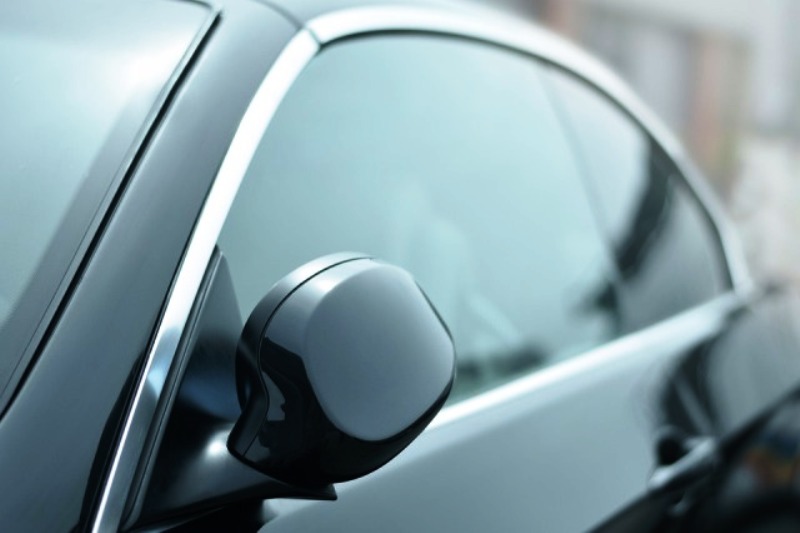
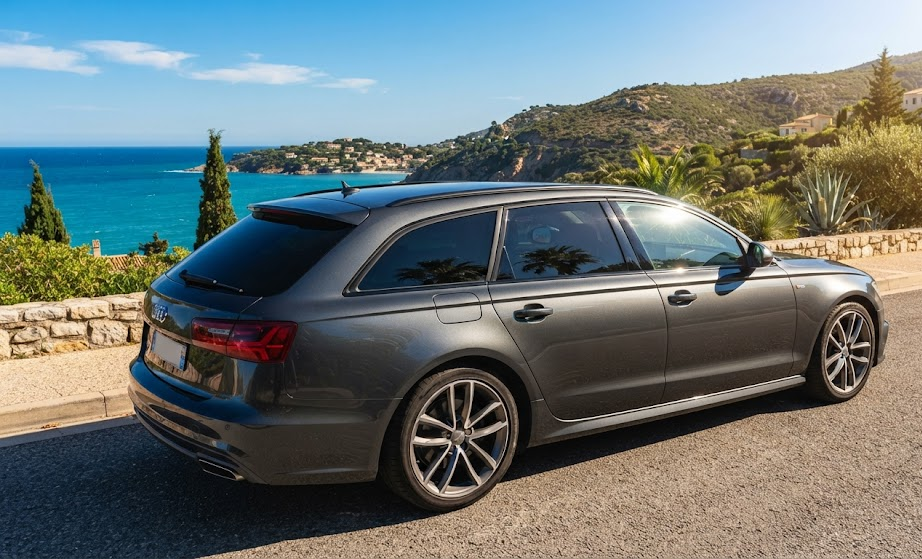
Car tinting is more than just a style statement; it plays a vital role in enhancing your driving experience. By significantly reducing interior heat, tinted windows ensure comfort and protect your vehicle’s interior. As summer approaches, understanding the benefits of car tinting becomes essential for every vehicle owner.
Experience Comfort with Car Window Tinting
Applying window tint is an effective approach to keeping the heat out of your car. This specialized film absorbs and reflects sunlight, preventing significant heat from entering your interior. The result? A noticeable improvement in how hot your car feels, especially during summer months, sparing you from constant reliance on air conditioning.
Explore the Science Behind Heat Reduction
How does car window tint reduce indoor temperatures? The process begins with the materials used in the tint. Many films contain metallic or ceramic particles that reflect infrared radiation—the primary source of heat from sunlight. Opting for the right tint can significantly lower your vehicle’s internal temperature.
Choosing the Right Tint: Types and Effectiveness
The effectiveness of car window tint in cooling depends on its type, color, and material. Understanding these options can guide you toward the best choice for your needs.
Understand Various Types of Window Tints
Here are some popular types of car window tints and their heat-reducing capabilities:
- Dyed Window Tints: These are the most common and budget-friendly option, absorbing up to 30% of solar heat but providing moderate effectiveness against infrared rays.
- Metalized Window Tints: Containing tiny metallic particles, these films reflect approximately 50% of solar heat while also offering privacy. However, they may affect electronic signals.
- Ceramic Window Tints: As the most advanced choice, ceramic tints block over 60% of infrared rays without interfering with electronics, making them highly effective for heat reduction.
- Hybrid Tints: Combining dyed and metalized layers, hybrid films balance affordability and heat reduction by blocking around 40% of solar heat.
How Sunlight Affects Interior Temperature
Understanding how sunlight and heat enter your car is essential to appreciate the benefits of tinting. Sunlight contains three types of rays: ultraviolet (UV), visible, and infrared (IR). IR rays contribute significantly to the heat sensation inside your vehicle. Tinted windows can effectively reduce the amount of IR and UV rays that penetrate your car, leading to a cooler atmosphere.
Identify Key Benefits of Car Window Tinting
Car window tinting offers several benefits for heat reduction:
- Lower Interior Temperatures: Tinted windows can reduce your vehicle’s temperature by several degrees, especially during hot days.
- Reduced Air Conditioning Use: By decreasing reliance on AC, you save fuel and reduce engine wear.
- Protection from UV Rays: Tints can block up to 99% of harmful UV rays, preventing skin damage and interior fading.
- Enhanced Comfort: A cooler interior makes for a more enjoyable driving experience, particularly during peak sunlight hours.
Factors Influencing Tint Effectiveness
The performance of window tint in keeping your car cool can vary based on several factors:
Analyze Key Factors Affecting Heat Reduction
Among these factors:
- Shade Percentage and Tint Darkness: The visible light transmission (VLT) percentage indicates the darkness of the tint. Lower percentages mean darker tints which offer better heat rejection.
- Material and Quality of the Tint: High-quality films, especially ceramic types, provide superior heat reduction, while cheaper options may fade over time.
- Installation and Coverage: Proper installation is vital for effectiveness; full coverage on all windows maximizes heat reduction benefits.
- Parking Habits: Parking in direct sunlight will noticeably heat up the interior, while shaded parking can enhance the performance of tinted windows.
Recognize Limitations of Window Tinting
Despite their effectiveness, tinted windows won’t eliminate heat entirely. On extremely hot days, interiors may still rise in temperature, especially if the tint isn’t high-quality or properly applied. Additionally, some tints can affect night visibility, which might pose safety concerns. Legal limits regarding tint darkness also vary by location and should be verified before installation.
Maximize Benefits of Car Window Tinting
To get the most out of your car tinting experience, consider these tips:
- Choose a high-quality tint, preferably ceramic for optimal IR blocking.
- Select lower VLT percentages, as permitted by law, for better heat rejection.
- Ensure professional installation to enhance adherence and coverage.
- Combine tinting with additional heat-reduction strategies like sunshades or parking in shaded areas.
- Regularly maintain your windows and tint to preserve effectiveness.
Additional Heat-Reducing Measures
In addition to car tinting, implementing other heat-reducing measures can further enhance comfort:
Implement Effective Strategies for Comfort
- Using Sunshades: Reflective covers or sunshades can block additional heat and UV rays.
- Smart Parking: Parking under trees or carports can keep your interior cooler.
- Ventilation Techniques: Pre-cooling your vehicle or briefly opening windows can help decrease the temperature before driving.
Ultimately, investing in car window tinting not only transforms the look of your vehicle, but it also enhances your comfort by significantly reducing interior heat. As the heat intensifies, understanding and implementing effective solutions is key. To explore advanced tinting options, consider consulting professionals who can guide you in selecting the best solutions for your needs.