
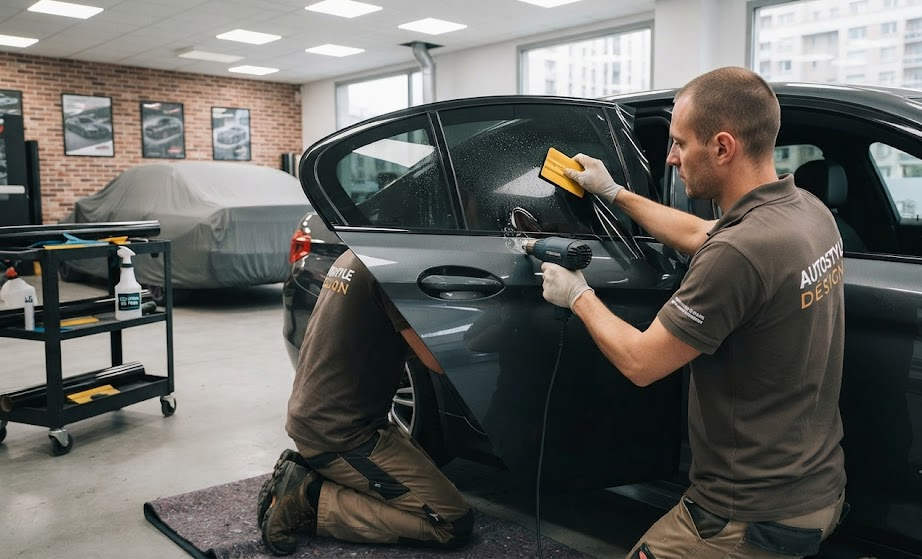
As car enthusiasts and everyday drivers alike seek to enhance their vehicles, on-site tinting has emerged as an innovative solution that elevates the car care experience. This service allows professionals to apply high-quality window films directly at the location of the vehicle, providing convenience without sacrificing quality. With an array of options available, understanding the benefits and processes of on-site tinting can help drivers make informed decisions about their car enhancements.
Exploring the Benefits of On-Site Tinting
On-site tinting offers numerous advantages that enhance both convenience and functionality for car owners. Understanding these benefits can help individuals recognize the value of such services.
Convenience at Your Location
One of the standout features of on-site tinting is its convenience. Instead of visiting a shop, customers can have their windows tinted right in their driveways or workplaces. This saves valuable time for busy individuals, allowing them to engage with daily activities while the work is performed. Furthermore, mobile tinting ensures that drivers can avoid the hassle of coordinating multiple trips.
Expertise Delivered to You
Many mobile tinting professionals offer extensive experience and knowledge, ensuring a high-quality installation on-site. While some may worry about receiving subpar service away from a traditional shop, reputable tinting experts bring their tools, quality materials, and skill set to deliver exceptional results. This means customers do not have to compromise quality for convenience.
Variety of Film Options
On-site tinting services generally provide a diverse range of window film options, catering to different preferences and needs. These may include:
- Dyed Films: Offer a stylish look but may fade over time.
- Carbon Films: Provide excellent UV protection and better heat rejection without signal interference.
- Ceramic Films: The premium choice, offering the best heat rejection and longevity.
This variety allows car owners to choose the best tint that suits their lifestyle and requirements, making the decision process both enjoyable and tailored.
Understanding the Installation Process
The installation process for on-site tinting involves several important steps that ensure the quality and longevity of the tint.
Preparation of the Vehicle
Before starting the installation, professionals carefully prepare the vehicle. This includes cleaning the windows to remove dirt, grease, and residues that could interfere with adhesion. A clean surface is essential for a successful tinting job, as it ensures a smooth application without bubbles or imperfections.
Cutting and Applying the Tint
Once the surfaces are clean, the technician measures and cuts the film to fit each window accurately. This precision is crucial for achieving a polished look and ensuring that edges align properly. After cutting, the film is applied using a squeegee to remove any air bubbles, ensuring a smooth and uniform appearance.
Curing and Final Checks
After installation, the film requires time to cure and adhere correctly to the glass. Technicians typically recommend not rolling down windows for at least a few days to allow the adhesive to bond fully. Finally, professionals perform a thorough check, ensuring the film is free of bubbles or imperfections, providing customers with assurance that their new tint will perform effectively.
Maintenance Tips for Long-Lasting Tint
Once the window tint is installed, proper maintenance is essential to ensure its longevity and effectiveness. Here are some key tips to help car owners care for their tinted windows:
Avoid Abrasive Cleaners
Using harsh chemicals or abrasive materials can damage the tint and lead to premature deterioration. It is advisable to utilize ammonia-free cleaning solutions and soft cloths when cleaning tinted windows.
Be Mindful of Temperature
Extreme heat can affect the longevity of the tint. It’s essential to avoid parking in direct sunlight for prolonged periods immediately after installation to allow the adhesive to set properly. Additionally, keeping the interior shaded whenever possible can help maintain the tint’s integrity.
Regular Inspections
Occasionally inspecting the tint for bubbles, lifting edges, or discoloration is wise. If any signs of damage appear, addressing them early can prevent further issues and enhance the longevity of the tint.
Legal Considerations for Window Tinting
Before proceeding with window tinting, car owners should familiarize themselves with local regulations regarding tint darkness and reflectivity. Each state has its own laws related to window tinting, and it’s vital to choose a shade that complies with these rules.
Understanding VLT Regulations
Visible Light Transmission (VLT) percentage measures how much light passes through the film. In many places, there are specific limits based on the type of windows being tinted. For example, front windows often have higher VLT requirements compared to rear windows. Ensuring compliance not only avoids legal issues but also contributes to safety on the road.
Consulting Professionals
Local tinting professionals are typically well-versed in the laws and can help clients choose a tint that meets legal requirements while still providing aesthetic and functional benefits. This guidance is invaluable for ensuring drivers enjoy the maximum benefits of window tinting without running afoul of regulations.
With mobile tinting services, drivers can enjoy the best of both worlds: professional results and the luxury of convenience. Each well-executed installation extends the life of vehicles while elevating the driving experience. As you consider tinting your windows, remember to seek out reputable professionals who can guide you through the various options and ensure compliance with local regulations.