
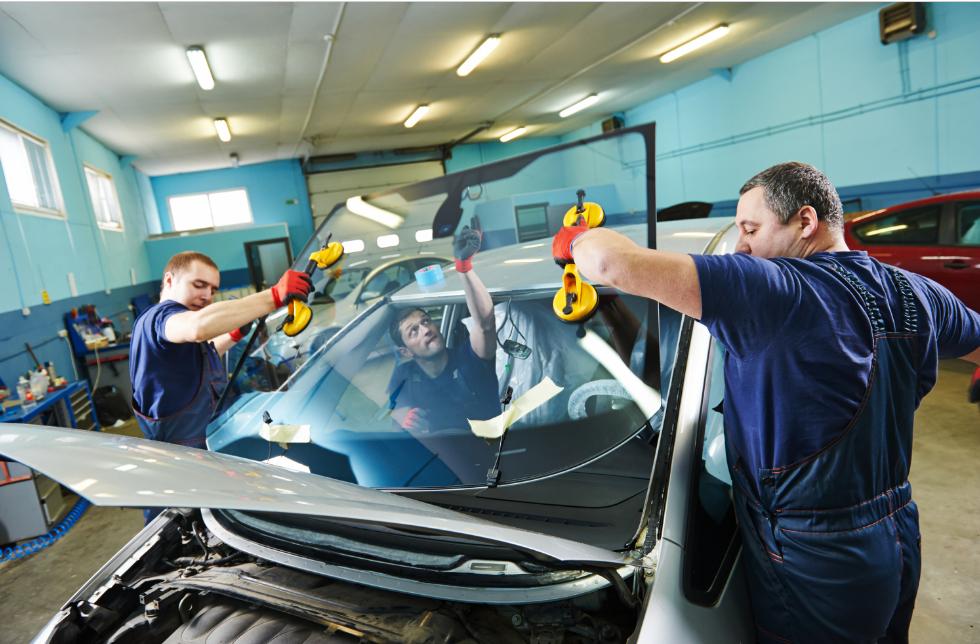
Your car’s windshield integrity plays an undeniably vital role in ensuring supreme road safety and optimal driver confidence during every journey. Maintaining a completely clear view significantly reduces the serious risk of accidents, directly supporting crucial, split-second decision-making abilities. Prioritizing flawless auto glass care protects passengers, guarantees advanced driver assistance systems (ADAS) functionality, and upholds your vehicle’s structural integrity effectively.
The Vital Role of Auto Glass in Vehicle Safety
When it comes to driving safely, the importance of auto glass often goes unnoticed. Yet, the windshield and other vehicle glass components serve as more than just transparent barriers. They are crucial for both structural integrity and driver visibility. In fact, windshields alone contribute up to 45% of a car’s front-end strength and 60% during rollovers, making them indispensable safety features that protect occupants from harm.
Furthermore, airbags rely on correctly installed glass surfaces to deploy effectively. A windshield installed with precision ensures that airbags, especially on the passenger side, function flawlessly during crashes. This highlights why choosing certified auto glass materials and professional installation can’t be overlooked—they ensure your safety systems perform exactly as intended.
Visibility is another critical aspect where flawless auto glass comes into play. Certified glass meets strict standards for optical clarity, reducing distortions and improving reaction times on the road. Without this clarity, even the best drivers may face increased risks caused by impaired sightlines.
The Federal Motor Vehicle Safety Standards (FMVSS) regulate these specifications, enforcing glass strength, impact resistance, and retention. Knowing these facts underlines the essential nature of maintaining your vehicle’s auto glass in pristine condition.
Choosing the Right Type of Auto Glass for Maximum Protection
Not all auto glass is created equal. Your vehicle uses two main types: laminated glass and tempered glass. Each plays a distinct role in safety, and understanding the difference can guide you toward safer, smarter decisions.
Laminated glass is used primarily for windshields. It features two glass layers bonded with an interlayer that prevents shattering. When struck, laminated glass cracks but remains intact, providing vital structural support and protecting occupants from flying shards. Its ability to sustain the roof’s strength during rollovers is unmatched by other glass types.
On the other hand, tempered glass is generally found in side and rear windows. This type is heat-treated to increase its strength significantly. Upon breaking, tempered glass shatters into small, rounded fragments that reduce the risk of severe injuries. Its breakability makes it easier to escape through side windows in emergencies.
This combination balances structural safety with practical considerations like emergency escape and repairability. Choosing the right replacement glass means insisting on OEM-quality materials that meet or exceed federal safety standards, ensuring your vehicle stays as reliable as the day it rolled off the assembly line.
Why Professional Installation Makes All the Difference
Even the best auto glass will fail to protect you if installed incorrectly. Professional installation is as essential as using certified glass. Certified technicians follow precise procedures that uphold the vehicle’s safety features, including windshield retention and airbag deployment.
Organizations such as the Auto Glass Safety Council (AGSC) set comprehensive standards like the Automotive Glass Replacement Safety Standard (AGRSS), which technicians must follow. These guidelines cover the entire replacement process—from selecting DOT-approved adhesives and materials to ensuring proper adhesion and alignment. Such strict protocols reduce risks associated with improper installation by over 70%.
Since modern vehicles increasingly depend on sophisticated technologies like Advanced Driver Assistance Systems (ADAS), installers must be adept at recalibrating sensors and cameras after windshield replacement. This expertise requires specialized training beyond basic glass fitting.
Reliable service providers invest in ongoing certification programs and use industry-approved materials. Choosing professionals with ASE-trained technicians guarantees your vehicle’s glass installation complies with regulations and maintains optimum safety performance.
Maintaining Flawless Auto Glass for Long-Term Safety
Keeping your auto glass in excellent condition requires regular attention and care. Even minor chips or cracks can quickly escalate into larger problems, compromising both visibility and structural integrity. Don’t overlook small damages—they often lead to expensive replacements if ignored.
Environmental factors such as temperature fluctuations, road debris, and weather conditions play a significant role in the deterioration of auto glass. Extreme heat or cold can cause cracks to expand, making immediate repair even more critical.
Routine inspections by certified technicians can help identify potential issues early. When damage occurs within your line of sight, repairing or replacing the auto glass swiftly ensures your visibility and safety aren’t compromised.
For valuable tips on protecting your windows and scheduling timely repairs, resources like trusted mobile auto glass experts offer excellent advice and service options.
Don’t compromise on safety, embrace certified materials and expert installation for peace of mind on the road. For high-quality auto glass services backed by professional expertise, contact a trusted providers who are committed to quality, safety, and lasting protection.


