
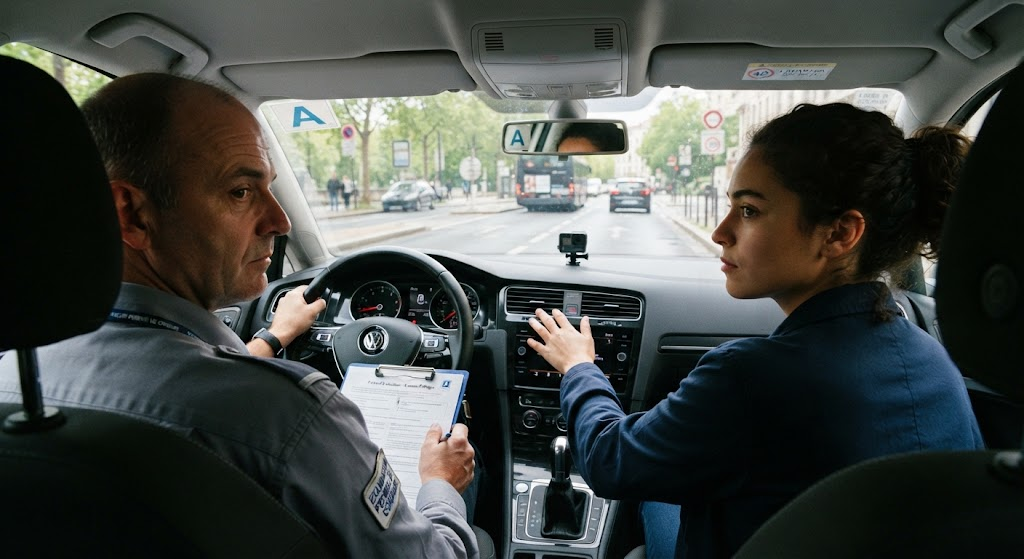
The driving test is a rite of passage that many aspiring drivers face. However, the pressure of the moment can lead to errors that significantly impact test outcomes. Understanding the common hurdles can make the difference between a successful result and a redo.
Identifying Difficult Situations During the Driving Test
Driving tests are designed to evaluate a candidate’s ability to navigate real-world scenarios safely and confidently. Certain challenges test both driving skills and mental fortitude.
Managing Nerves Effectively
Anxiety can affect concentration, decision-making, and reaction times. Recognizing this challenge and developing strategies to remain calm can help candidates perform more confidently.
Common Mistakes That Lead to Fails
Several common errors can negatively affect driving test results. Recognizing these mistakes helps candidates focus their preparation on essential driving skills.
Ignoring Critical Mirror Checks
Regular mirror checks demonstrate awareness of surrounding traffic and potential hazards. Candidates should remember to:
-
Check mirrors before changing lanes or turning.
-
Monitor surrounding traffic regularly.
-
Check blind spots before moving sideways.
-
Remain aware of vehicles approaching from behind.
Neglecting Speed Limit Compliance
Maintaining an appropriate speed demonstrates control and awareness of road conditions. Candidates should:
-
Observe speed limit signs and adjust accordingly.
-
Reduce speed when approaching hazards or intersections.
-
Avoid driving too fast for weather or traffic conditions.
-
Maintain a safe and consistent speed when appropriate.
Rolling Stops at Intersections
Failing to stop completely at a stop sign is a serious mistake. To avoid this error:
-
Bring the vehicle to a complete stop at the required location.
-
Check for pedestrians, cyclists, and other vehicles.
-
Proceed only when it is safe and permitted.
Improper Use of Turn Signals
Turn signals communicate intentions to other road users. Candidates should:
-
Signal before turning or changing lanes.
-
Give other road users sufficient warning.
-
Cancel the signal after completing the maneuver when necessary.
-
Check mirrors and blind spots before changing direction.
Not Yielding at Intersections
Failure to yield can create dangerous situations. During the test, candidates should:
-
Understand right-of-way rules.
-
Yield to pedestrians where required.
-
Observe traffic before entering an intersection.
-
Follow the rules governing roundabouts and four-way stops.
Techniques for Mastering Difficult Test Scenarios
Preparation helps candidates develop the skills and confidence needed to handle different situations.
Frequent Practice with a Licensed Instructor
Lessons with a licensed driving instructor can help identify weaknesses and reinforce safe driving habits. Focus on:
-
Practicing difficult maneuvers.
-
Improving observation and positioning.
-
Reviewing feedback after each lesson.
-
Correcting recurring mistakes.
Utilizing Simulation Apps
Driving simulation apps can supplement practical lessons by helping candidates become familiar with traffic situations, road signs, and decision-making scenarios.
Mastering Defensive Driving
Defensive driving involves anticipating hazards and responding appropriately. Important habits include:
-
Maintaining a safe following distance.
-
Anticipating the actions of other road users.
-
Checking surroundings before maneuvering.
-
Adjusting driving to changing conditions.
Engaging in Mock Tests
Practice tests help candidates become familiar with the examination process. They can focus on:
-
Following instructions calmly.
-
Performing maneuvers correctly.
-
Maintaining consistent observation.
-
Identifying areas that need improvement.
Adapting to Varied Driving Conditions
Driving conditions can change quickly, making adaptability an important skill.
Exposure to Challenging Weather
Where conditions are safe and supervised, practice in different weather can help candidates learn to adjust their driving.
-
Rain: Reduce speed and increase following distance.
-
Fog: Improve visibility practices and avoid excessive speed.
-
Snow or ice: Learn appropriate precautions with a qualified instructor.
Road Variability Practice
Practicing in different environments helps candidates prepare for unfamiliar routes.
-
Residential streets with parked vehicles.
-
Busy intersections and urban roads.
-
Roundabouts and multilane roads.
-
Areas with pedestrians and cyclists.
Learning from Others’ Experiences
Reviewing previous mistakes can reveal gaps in preparation and help candidates avoid repeating them.
Studying Failure Reports
When feedback is available after a test, candidates should:
-
Identify the mistakes recorded by the examiner.
-
Discuss recurring problems with an instructor.
-
Prioritize areas requiring improvement.
-
Repeat relevant exercises until they become more consistent.
Understanding the Importance of Local Laws
Candidates should review local traffic regulations before the test, including:
-
Speed limits and road signs.
-
Right-of-way requirements.
-
Rules for signaling and changing lanes.
-
Parking and stopping restrictions.
-
Documents and procedures required for the examination.
Wrapping It Up
Passing a driving test requires preparation, awareness, and consistent application of safe driving habits. By practicing difficult scenarios, correcting common mistakes, and understanding local road rules, candidates can improve their confidence and readiness for the examination.


