
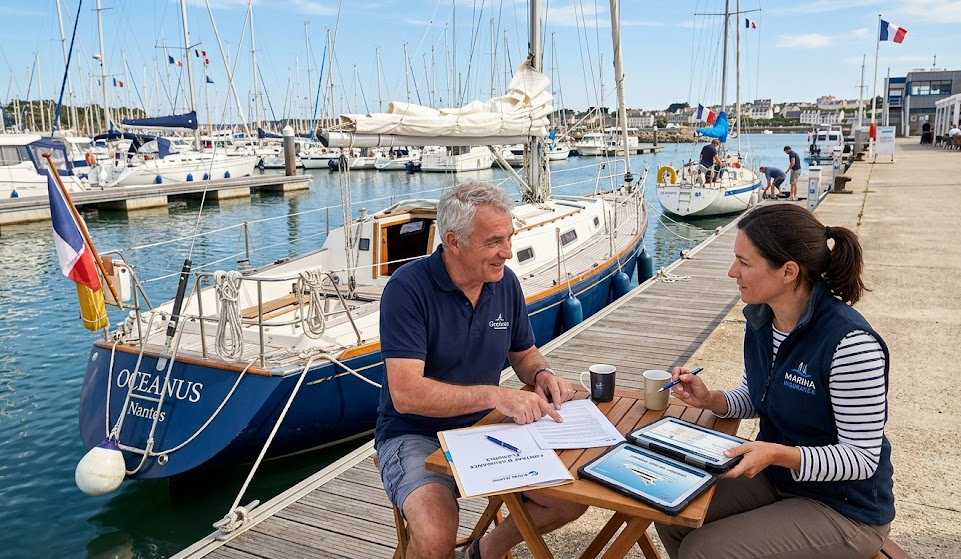
Boat ownership provides a sense of freedom and adventure, but it also comes with significant responsibilities. Understanding boat insurance is a vital part of safeguarding your investment against potential risks. This article delves into essential information every boat owner should know about insurance protection.
Understanding Boat Insurance Policies
Boat insurance offers financial protection against various risks associated with owning a vessel. Much like auto insurance, it covers damages to the boat, liability for accidents, and additional risks unique to watercraft. Whether you’re a seasoned sailor or a novice, familiarizing yourself with marine coverage can ensure peace of mind during your adventures on the water.
Components of a Boat Insurance Policy
A typical boat insurance policy comprises several components that together provide full damage protection. These include:
- Physical Damage Coverage: Protects the boat’s hull and equipment against accidental damages.
- Liability Coverage: Covers injuries or property damage you may cause to others.
- Medical Payments: Assists with medical expenses for you and your passengers following an accident.
- Towing and Assistance: Covers emergency services for towing or roadside assistance.
Evaluating the Necessity of Boat Insurance
While it may not always be a legal requirement, having boat insurance is highly advisable. In some states and marinas, proof of coverage is mandatory to operate legally. Additionally, if you’re financing your boat, lenders often require valid insurance coverage, making it a smart investment.
Financial Implications of Not Having Coverage
Operating without insurance exposes you to numerous financial risks. Accidents can lead to costly repairs, legal fees from liability claims, and potential medical expenses. An unexpected accident can spiral into a financial crisis without adequate protection.
Information Required for Obtaining Coverage
To secure marine insurance, you’ll need to provide various details about both yourself and your vessel. Essential information typically includes:
- Your name, address, and boating experience
- Specifics about your boat—year, make, model, length, and engine type
- Hull Identification Number (HIN)
- The current market value of your boat
- Usage details—freshwater vs. saltwater, storage locations
- Any safety features or modifications
Types of Coverage to Consider
Different types of boat insurance policies cater to various needs. Understanding these options can help you choose the right one:
- Agreed Value Policy: Pays the insured value in case the boat is a total loss.
- Actual Cash Value Policy: Offers compensation based on the boat’s depreciated value.
- Liability Only: Covers damages you inflict on others, not your boat.
- Comprehensive/All-Risk Coverage: Provides a broad spectrum of protection for various incidents.
Supplemental Coverage Options
Depending on your sailing needs, you may want to explore supplemental coverage options such as:
- Special equipment coverage for fishing gear and personal items
- Pollution liability coverage for accidental discharges
- Legal defense options in case of liability lawsuits
Consider reaching out to a professional to ensure you’re not missing any critical elements in your insurance package.
Cost Factors for Boat Insurance
On average, boat insurance costs range from $200 to $600 annually for smaller boats and personal watercraft (PWCs). However, larger and luxury boats may incur higher premiums. Factors influencing the cost often include:
- Type, size, and value of your vessel
- Your boating experience and past claims history
- Intended use, such as coastal or inland navigation
Steps to Secure Insurance for Your Boat
Acquiring boat insurance involves several straightforward steps:
- Gather personal information and details about your boat.
- Compare quotes from multiple insurers to find competitive rates.
- Select the desirable coverage type based on your needs.
- Ask about discounts for safety courses or bundled policies.
- Finalise the paperwork and pay your premium to initiate coverage.
Understanding Common Exclusions and Limitations
Every boat insurance policy comes with specific exclusions that owners need to understand fully. Some common exclusions include:
- Wear and tear, including damage from saltwater corrosion
- Accidents caused by unauthorized operators
- Damage while racing or during special events unless additional coverage is purchased
Being knowledgeable about these exclusions can help you avoid unexpected gaps in coverage.
Reviewing and Adjusting Your Policy
Regularly reviewing your insurance policy ensures that it remains aligned with your boat’s value and usage. As circumstances change—like moving your boat to a different location or making significant upgrades—you may want to adjust your coverage accordingly. Engaging with a professional can assist in tailoring your policy for optimal protection.
Final Thoughts on Boat Insurance Protection
In the realm of boat ownership, navigating the intricacies of watercraft insurance is essential. By gaining a deeper understanding of policy coverage, types of insurance protection, and being aware of common exclusions, you set yourself up for a smoother sailing experience. Always remember, consulting with insurance professionals can provide personalized insights that align with your unique needs.


