
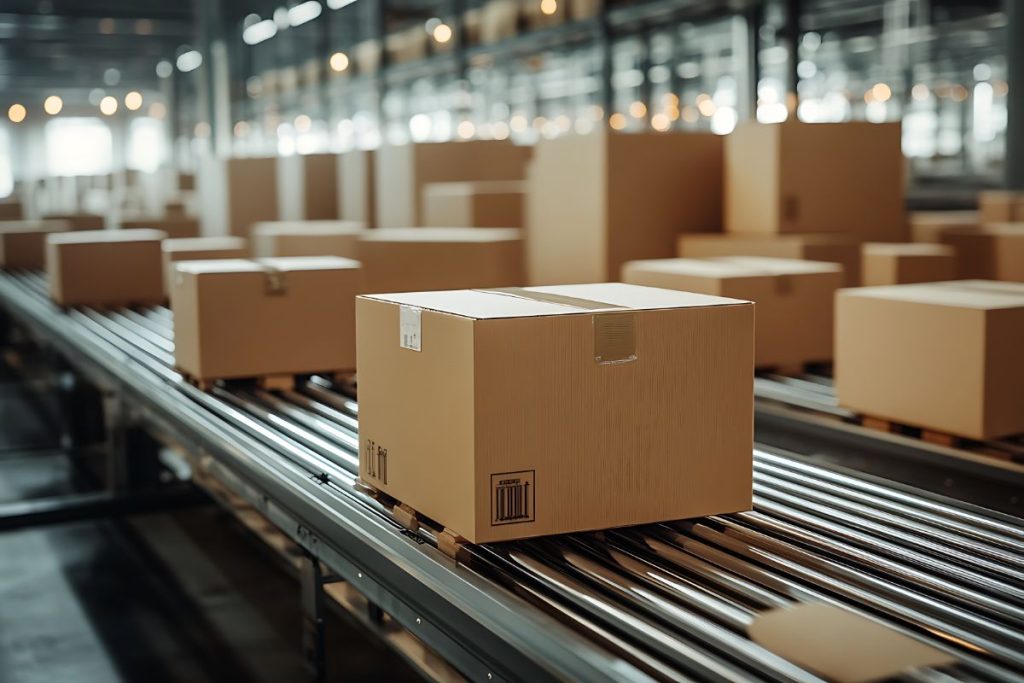
Positive drive belts represent an advanced conveyor solution that combines the advantages of modular and mono-material belts while eliminating common hygiene concerns. Engineered for optimal functionality and maximum cleanliness, these belts ensure no slippage, reduced mechanical strain, and ease of maintenance. Their durable, food-grade construction makes them ideal for industries demanding stringent hygiene standards, such as agri-food processing, enhancing both production efficiency and safety.
Enhancing Production Efficiency with Positive Drive Belts
In today’s fast-paced manufacturing environment, optimizing production lines is essential. Positive drive belts offer a robust solution that combines strength, precision, and hygiene to improve industrial conveyor systems. Unlike traditional modular or mono-material belts, positive drive belts ensure flawless operation without the risks of slippage or mechanical overstrain.
These belts feature moulded teeth integrated within the belt material, enhancing functional reliability while reducing maintenance needs. The design eliminates tensioning devices, simplifying assembly and reducing mechanical wear.
Additionally, their lightweight and silent operation greatly benefit industries where noise reduction and energy conservation are priorities. Such advantages contribute to less downtime and smoother process flows, critical factors in boosting overall productivity.
For companies seeking to streamline their processes, understanding the capabilities of positive drive belts is a must to capitalize on these compelling benefits.
Unmatched Hygiene Standards and Safety in Food Industry Applications
One of the key advantages of positive drive belts lies in their exceptional hygiene attributes, making them ideal for food processing and pharmaceutical industries. Manufactured from mono-material polyurethane or polyester elastomer, these belts are compliant with CE and FDA food-grade standards.
Their construction ensures they are waterproof and resistant to rot, which greatly reduces microbial growth compared to traditional belts with fabric components. This effectively minimizes sanitary risks and safeguards against product contamination.
Cleaning such belts is straightforward and quick, often without the need to dismantle equipment. Their waterproof nature also allows resistance to a range of chemicals, increasing versatility in sanitation protocols. In some setups, adding scrapers facilitates continuous cleaning during operation, further improving hygiene levels.
Consequently, positive drive belts align perfectly with the Hazard Analysis and Critical Control Points (HACCP) framework, assuring compliance with stringent bio-safety regulations.
Reducing Operational Costs Through Durability and Maintenance Efficiency
Manufacturing sectors are constantly challenged to cut expenses without compromising quality. Positive drive belts contribute meaningfully to cost reduction due to their longevity and ease of upkeep. Their robust design offers excellent resistance to tears and abrasion, resulting in an extended lifecycle.
Quick cleaning methods minimize downtime and eliminate the need for repeated belt removal. This, in turn, decreases water and detergent use, supporting sustainable operational practices. Furthermore, the absence of complex tensioning mechanisms lowers maintenance labor and component replacement costs.
The reduction in mechanical strain also extends the lifespan of adjacent machinery, multiplying savings across the production chain. From a financial perspective, investing in positive drive belts can lead to remarkable improvements in overall equipment effectiveness.
Industries looking to upgrade their conveyor systems can explore variants like DEL/DRIVE, POSITIVEBELT, and DEL/SYNC, each delivering tailored solutions, from modular belt replacements to highly precise synchronous drives.
Comparative Overview of Conveyor Belt Types for Production Optimization
Choosing the right belt system involves balancing various performance and hygiene factors. Positive drive belts uniquely blend the benefits of modular and mono-material belts without their respective drawbacks.
| Feature | Modular Belt | Mono-Material Belt | Positive Drive Belt |
|---|---|---|---|
| Hygiene & Cleaning Ease | Low | Medium | High |
| Resistance to Impact | Low | Medium | High |
| Risk of Slippage | Low | High | Low |
| Weight | Heavy | Light | Light |
| Need for Tensioning Device | Yes | No | No |
This comparison highlights how positive drive belts excel in key aspects, making them a smart choice for industries targeting improved production hygiene, reduced water use, and minimal maintenance overhead.
For more insights into belt-driven systems and mechanical components contributing to operational efficiency, visit articles on related technologies including CVT transmissions and alternator pulley functions.
Ready to revolutionize your conveyor systems? Contact our specialists today for a personalized consultation and discover how positive drive belts can drive your production success. Act now to leverage cutting-edge technology and secure a competitive edge in your industry.


