
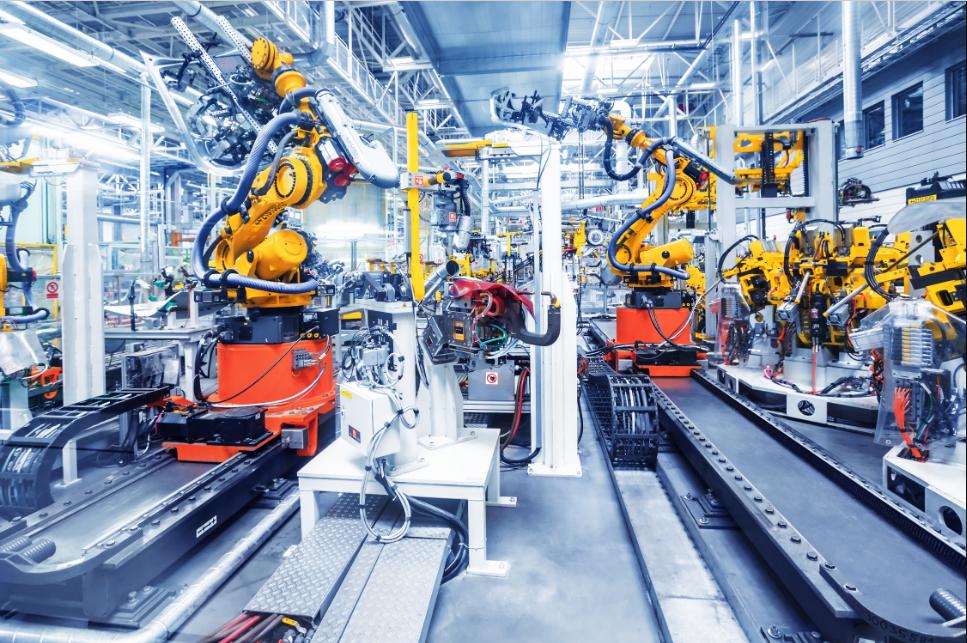
In today’s automotive factories, delivering vehicles efficiently while minimizing production costs is paramount. One of the unsung heroes behind this feat is the automotive conveyor system. These systems have evolved beyond simple material movers into high-tech platforms that streamline workflows, reduce errors, and accelerate output. Let’s dive into the ways these innovations are reshaping assembly lines and slashing expenses.
The Shift from Basic to Intelligent Material Handling
Historically, conveyor belts were mechanized belts or rollers that transferred parts from one station to another. Modern advancements have transformed these into sophisticated networks featuring automation elements such as robotic integration, sensors, and data connectivity. This evolution ensures components are delivered just in time, reducing bottlenecks and preventing costly delays.
Boosting Production Speed While Maintaining Precision
Automated conveyor lines can operate nonstop, moving materials without the fatigue or variability human workers might introduce. This continuous flow means that manufacturers can meet high-volume demands efficiently. At the same time, precision control mechanisms reduce errors in part placement or handling, a vital factor in preserving quality standards across every vehicle.
Optimizing Space and Workflow Organization
Unlike traditional layouts that often suffer from spatial constraints, modern conveyor solutions such as overhead belt systems free up valuable floor space. This optimization helps in organizing multi-channel inventories and streamlining component distribution. Besides improving logistics, this setup supports flexibility for varied production line configurations, adapting swiftly to different vehicle models.
Cutting Operational Costs Through Technology Integration
Installing conveyors embedded with smart technologies including IoT sensors and AI-powered predictive maintenance drastically reduces unplanned downtime. By foreseeing when machines need servicing, factories avoid pricey breakdowns and lost productivity. Additionally, energy-efficient conveyor drives help lower power consumption, contributing to leaner operational budgets.
Automation and Smart Conveyors: The New Backbone of Cost-Effective Manufacturing
As automation technologies progress, integrating smart conveyor systems becomes a decisive factor in driving factory profitability. These intelligent systems work tirelessly to boost throughput and operational effectiveness while safeguarding the quality of every part delivered on the line.
Seamless Coordination with Autonomous Guided Vehicles (AGVs)
Incorporating AGVs alongside conveyor systems creates a dynamic production ecosystem. These vehicles can transport heavy materials like aluminum sheets within the plant with agility and precision. By minimizing manual handling, they enhance worker safety and reduce labor expenses without sacrificing speed.
Modular Conveyor Components for Flexible Production
Modular designs allow factories to modify layouts rapidly in response to market demands or model updates. This adaptability cuts down on production stoppages during retooling periods. Manufacturers can also scale conveyor capacity up or down, preventing excess investment in inflexible equipment.
Harnessing Real-Time Data for Improved Decisions
Thanks to real-time monitoring enabled by sensor networks, managers gain instant visibility into conveyor performance. This transparency supports data-driven decisions that optimize throughput and balance workloads. For instance, adjusting conveyor speeds or routing based on live demand reduces queue times and avoids overuse of certain system parts.
Case Study: Reduction of Scrap Rates
Advanced conveyor setups have been shown to lower scrap rates by ensuring consistent material flow and reducing handling errors. This improvement means fewer parts discarded or reworked, translating into direct cost savings and higher overall yield rates.
Comparing Conveyor Types and Their Role in Auto Factories
Selecting the right conveyor style is crucial for maximizing efficiency and cost-effectiveness. Here’s a breakdown of some common types used in automotive production, highlighting their strengths:
| Conveyor Type | Primary Application | Key Benefits |
|---|---|---|
| Belt Conveyors | General materials transport between stations | Simple design, versatile, smooth handling of small to medium parts |
| Roller Conveyors | Heavy-duty items like aluminum sheets | High load capacity, low maintenance, durability |
| Chain Conveyors | Assembly lines requiring precision alignment | Robust, reliable for continuous heavy loads |
| Overhead Conveyors | Maximizing warehouse space, parts distribution | Space-saving, efficient routing, reduces floor congestion |
| Smart Conveyor Systems | Intelligent monitoring and predictive maintenance | Real-time data, downtime reduction, increased flexibility |
Why Future-Focused Auto Manufacturers Invest in Conveyor Innovations
As the automotive sector evolves amidst rising market demands and sustainability targets, embracing modern conveyor technologies is more than a cost-saving measure—it’s a strategic imperative. Cutting-edge belt systems are not just logistical assets but valuable drivers of productivity and operational intelligence.
Adaptability to Production Diversity
Modern vehicles come in myriad configurations requiring versatile manufacturing processes. Advanced conveyors adapt readily, supporting mixed-model production lines without extensive reconfiguration, ensuring smooth transitions that reduce costly downtime.
Improved Sustainability Practices
Energy-efficient conveyor motors and optimized operational controls contribute directly to greener manufacturing. Fewer interruptions translate into less waste generation and reduced carbon footprint—aligning with sustainability goals increasingly prioritized by auto makers.
Integration with Industry 4.0
Smart conveyors enable factories to join the Industry 4.0 revolution, where enhanced connectivity and automation fuel competitive advantages. This networked approach facilitates seamless communication across equipment and systems, unlocking new levels of efficiency and cost control.
Light Conveyor Systems: A Rising Star
Lightweight conveyor solutions have emerged as overlooked yet invaluable logistical assets in automotive plants. Their ease of installation and flexibility aid in managing complex assembly sequences with lower upfront costs. For further insights, explore this related resource on light conveyor systems in the automotive industry.
Maximizing Output While Minimizing Expenses in Auto Factories
The integration of advanced conveyor technologies in automotive plants profoundly impacts operational efficiency. By automating material transport, enhancing precision, and enabling real-time system monitoring, car manufacturers reduce production costs and optimize workflows. From modular flexibility to smart predictive maintenance, these conveyance solutions create seamless production environments that meet today’s fast-paced demands.
Partnering with a reputable industrial conveyor solutions provider, like Cog-Veyor Systems, specializing in automotive applications is the key to unlocking these benefits. Contact their experts today to discover how cutting-edge conveyor systems can transform your factory’s performance and yield remarkable cost savings.


